Spring 2026 is almost here. Start seeds off by first sowing them in pots and trays and set yourself up for homegrown gardening success with these top tips from Kitchen Garden.
Why is sowing seeds in containers a good idea?
Sowing seeds in containers sets your homegrown crops up for success from the very beginning. By sowing in containers, you can keep the seedlings inside and give them a chance to get established before they are exposed to the harsher conditions of the outdoor plot. It also means you can get a head-start with sowing thanks to the warmer conditions inside a greenhouse or on a windowsill.
Here are 10 top tips for seed sowing success:
1. Avoid oversowing pots or trays
If you are planning on lifting the seedlings and potting them up individually, you don’t want to have them sown too thickly. It will be difficult to lift and separate seedlings when you need to move them. Be sparing with the amount of seed per pot or tray. Use more small pots or trays if necessary, rather than overcrowding one pot.
Enjoy more Kitchen Garden Magazine reading.
Click here to subscribe & save.
2. Mix seed with sand
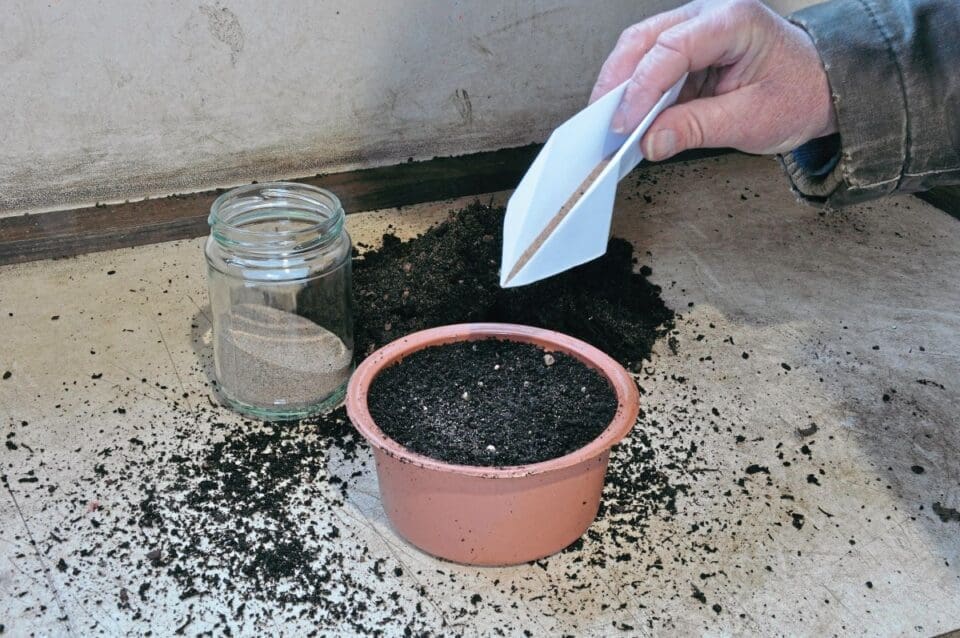
To sow fine seeds mix the seed with some very fine, dry horticultural sand and sprinkle the sand over the surface of the pot. It can help evenly spread the seed and you can see where you have sown.
3. Water from the base so as not to disturb small seeds
This is the best way to water your newly sown pots of seeds. Take a tray and fill with water. Place your seed trays or pots into the tray. The pots will soon take up water through the holes in the base of the pot. The water will reach the top and the compost will darken. This is the time to lift out the pots and place them where they can drain for a few minutes. This method evenly charges the whole compost with moisture.
4. Use clean trays and pots
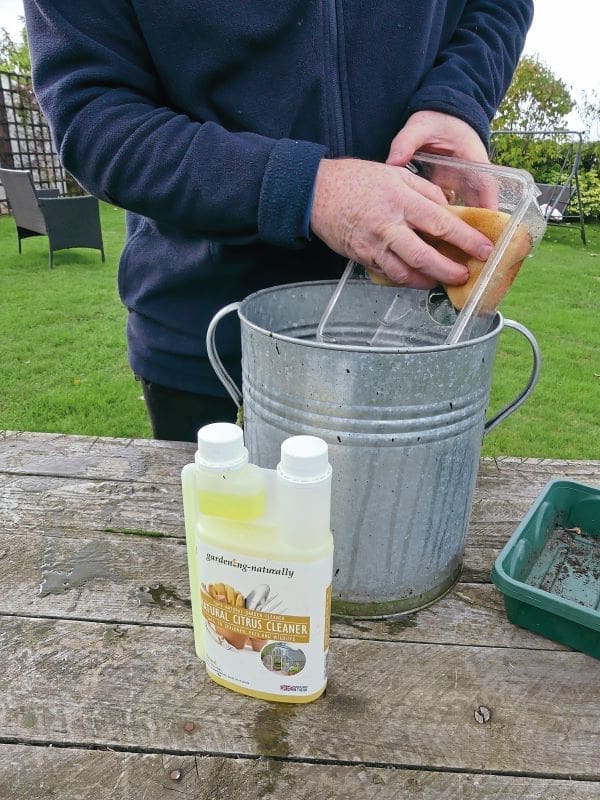
It is always good practice to clean seed trays, pots or cell trays before using for sowing seeds. A wash in some soapy water and then rinsing well will suffice or you could use something like Citrox. Another alternative is Gardening-Naturally Natural Citrus Cleaner (www.gardening-naturally.com).
5. Use a free-draining compost or other substrate
If buying compost for sowing seeds in pots, then check the bag to make sure it is suitable for seed sowing. Some of the multipurpose composts are fine but others may state they are suitable for seedling stage onwards. Just check the bag. You can buy John Innes seed compost or composts specifically for seed sowing, which are free draining yet will hold enough moisture for successful seed germination and won’t be too nutrient rich either. Or make your own.
6. Keep watering cans and misting bottles clean
Every once in a while, use a cleaning product such as Agralan Citrox in watering cans and your water misting bottles. Citrox is a natural disinfectant containing citrus fruit and is safe to use on equipment that will be used for watering seeds and seedlings.
7. Use chamomile tea to prevent issues with damping off
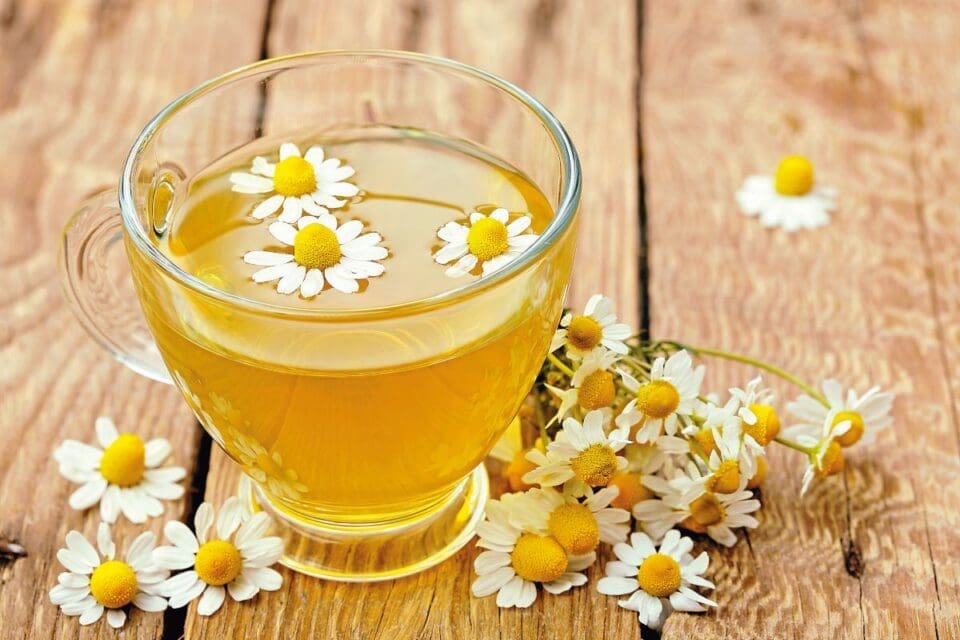
Damping off is a problem for newly emerged seedlings. It can cause them to suddenly rot and collapse. It is often the stem that is affected and it can affect patches of seedlings. You will find them laying flat on the compost surface. It is caused by fungal diseases and the problem can be reduced by being careful not to overwater. It also helps to make sure all the trays or pots are clean and you are using a sterile growing medium such as a proprietary compost or something like perlite or vermiculite. Watering your seedlings with a cooled chamomile tea solution is possibly a good preventative measure. Worth experimenting with.
8. Don’t use water butt water for seedlings, only tap water or fresh rainwater.
Newly sown seeds and emerging seedlings can be sensitive to pathogens. Water from a water butt may possibly contain some nasties especially if it has been sitting a long time. Water pots with tap water or fresh tepid rainwater initially. Once seedlings are established and stronger it is less of an issue.
9. Don’t over or underwater
This is obvious but easier said than done. Some types of compost are particularly difficult to gauge how moist they are. Coir compost sometimes dries out on the surface but can still be quite damp underneath. Pushing your finger into the compost is often the best way to ascertain how dry it is at the root level of the seedlings.
10. Store cans inside to warm the water and reduce shock
Anything that avoids ‘shocking’ seeds and seedlings with rapid temperature changes is good, so keep a full watering can in the greenhouse or wherever you keep the seedlings.
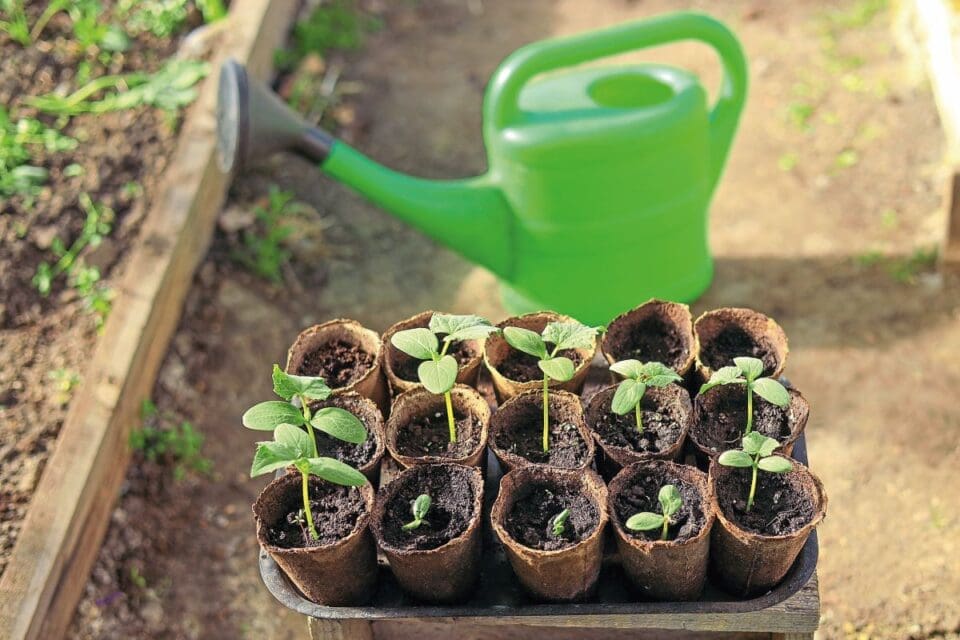
How do I plant out seedlings grown inside in pots?
Seedlings started off in pots or seed trays will need moving on as soon as they are big enough to handle if they are to thrive.
- STEP 1: Very carefully jiggle the seedlings out of their nursery container, or use a dibber, pencil or teaspoon to get in under the roots and lift them free.
- STEP 2: Now to carefully separate the seedlings, which requires great care to avoid damaging the delicate stems. Use a stick or pencil to work with the seedlings, gently teasing the roots apart. Only ever handle the seedlings by their leaves and do so delicately.
- STEP 3: Transfer the seedlings to pre-filled pots or module trays. Make a hole into the compost using your stick then carefully lower the seedling into the hole before feeding the compost back in around the roots and gently firming. Water them using a watering can fitted with a rose.
For the best growing advice month-by-month, pick up a copy of Kitchen Garden Magazine.