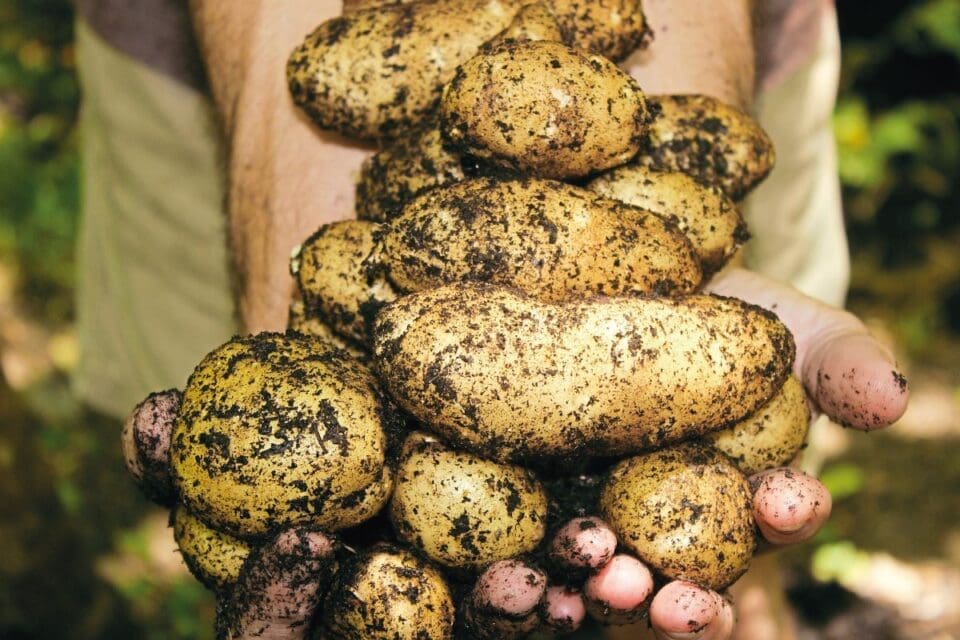
As the growing season gathers pace there’s one thing often in short supply: time! Ever feel like you’re chasing your tail? Benedict Vanheems offers some tips to save valuable time and effort.
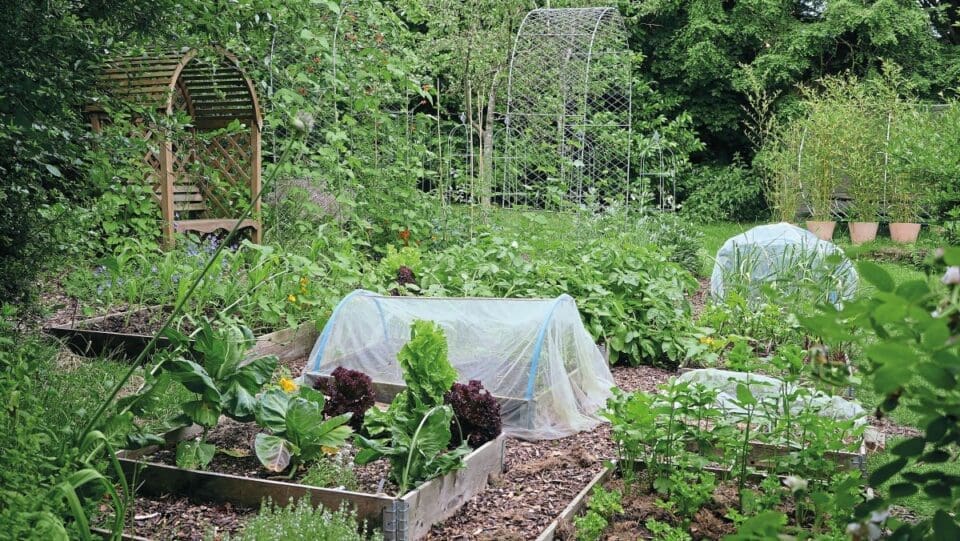
Could this be our busiest time of the year? Sowing, potting on and planting out is at its peak, the weeds are up, and while we welcome warmer days, it signals the regular round of watering now begins.
In my garden I need things to be as low maintenance and timesaving as possible – short of just covering the whole thing with artificial lawn! With a full-time job, family demands and lots of other commitments, there’s just no slack in the schedule for an over-demanding garden. If you can relate, I’m hoping a few of the tips that follow will help you to claw back some time, that most precious commodity of all.
Enjoy more Kitchen Garden Magazine reading.
Click here to subscribe & save.
1. Make the layout of your garden more efficient
Making the most of valuable time and effort starts with an efficient garden or allotment layout. It may sound obvious, but wiggly paths, awkward-shaped beds and poor placement of items such as compost bins and water butts can add minutes to every gardening session.
Consider how you move through the space and how accessible everything is. My veg plot comprises several rectangular raised beds laid out on a grid. The beds make it easier to define growing areas for crop rotation, while vegetables can be grouped according to, say, watering or pest protection needs. For example, I might grow thirsty celery and salad leaves together in a bed that’s easiest for watering, ornpair cabbage and kale so they can be netted in one go against cabbage whites or pigeons.
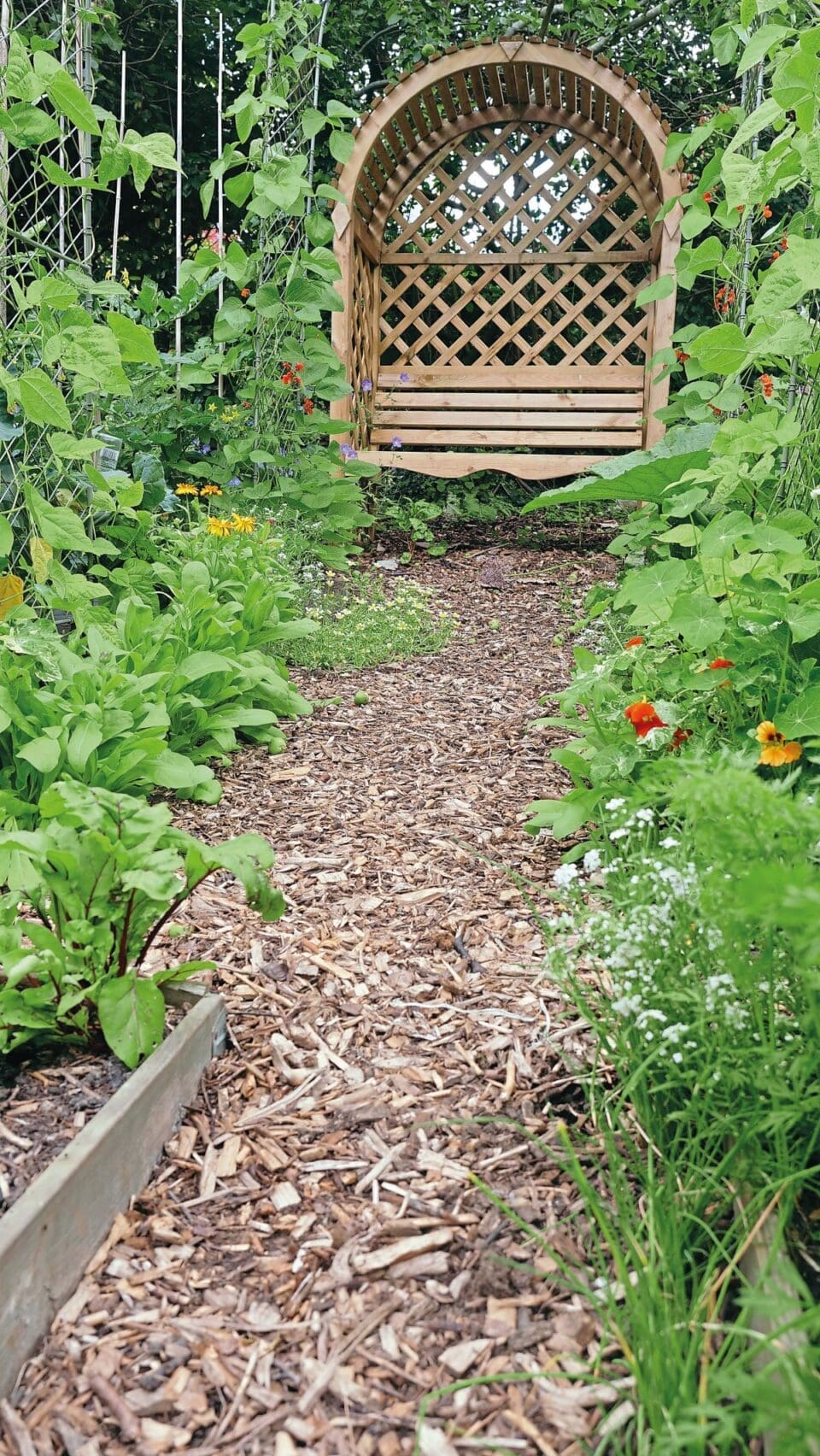
Paths between beds have a big impact on flow. They should be wide enough for a wheelbarrow to easily pass along, and for you to comfortably work from to tend your crops. Grass paths require regular mowing, while a woodchip path may need topping up once a year at most. Properly covered paths will also prevent them churning into a muddy quagmire when it’s wet, which means less time cleaning up after every session!
2. Choose undemanding crops and perennials
Some crops are prima donnas – they demand regular preening, pruning and close attention to cross the finishing line. Others are self-starters that produce results with minimal input from us. Choosing to grow more of the latter could save a lot of headaches.
I love winter squashes and pumpkins for their near plant-and-forget credentials. Once planted they will quickly sprawl away, smothering weeds and swelling their fruits ready to gather up – all in one go – at the end of the season. Swiss chard is a fantastic low-maintenance alternative to spinach, offering many months of cut-and-come-again harvests for little more than the occasional watering, while almost all fruit bushes and canes will put on plenty of plump pickings every year in exchange for an annual prune and mulch.
Crops that take up more effort than the harvests are worth (I’m looking at you, aubergine!) or that have a reputation for being tricky (cauliflower) might be swapped for easier-growing alternatives. Concentrate on the high-yielding, always-reliable winners like runner beans or courgettes, for example.
Pick crops best suited to your soil, too. Sandy soils are ideal for roots crops like carrot and parsnip, as well as onions, garlic and potatoes, while vegetables such as beans, squash and most brassicas grow well on heavier clay soils.
Gardeners looking for time efficiencies should also look to perennials. Fruits and herbs are obvious options but explore the wealth of perennial vegetables too. Perennial vegetables are planted once to give many years of harvests – think asparagus and artichokes or dig deeper to discover an incredible range of multiyear veg, including perennial kales, leeks, tree collards and walking onions.
Once established, these steady stalwarts will prove exceptionally resilient, while giving harvests year in, year out.
3. Weed little but often
Unchecked weeds can quickly turn into vampires feeding on our time, but a sensible approach will win the war on weeds. Regular weeding is always going to be less daunting and, ultimately, quicker than putting things off till they’re out of control. Running a hoe between crops once a week doesn’t take long and keeps the soil surface moving so that most weeds never even get a chance. Hand weed where space is tight and choose a sunny day so you can just pluck and drop as you work, leaving weeds where they fall to wither away in the sun.
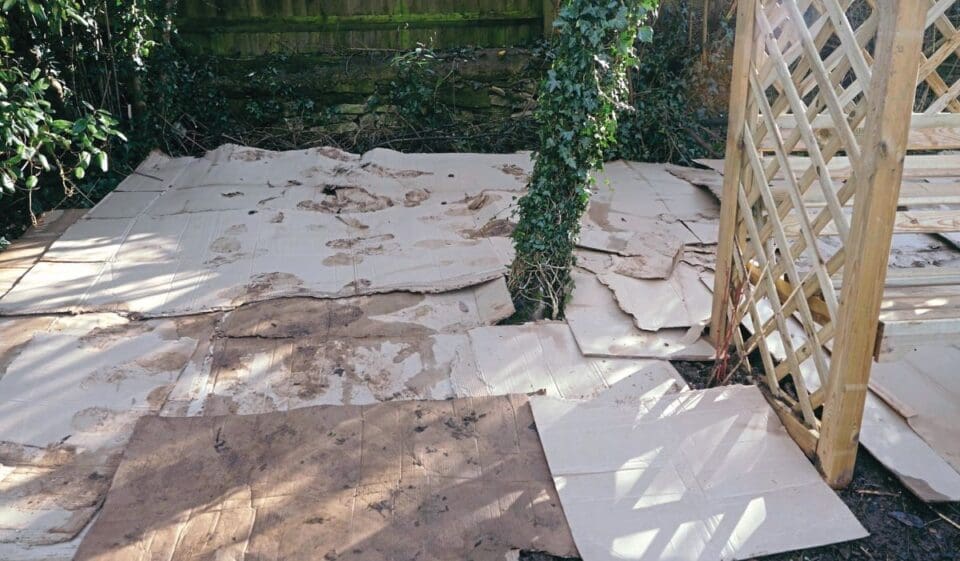
Recently converted ground can present the biggest challenge, with perennial weeds like couch grass and bindweed fraying the nerves of less battle-hardened gardeners. My approach is to cover particularly weedy ground in order to bury weeds into submission. Cover weeds with light-excluding sheet mulches until they die off, or lay sheets of plain cardboard then bury this with a thick mulch of compost. Even the most determined weeds won’t survive months plunged into darkness with no means of escape.
One of the big advantages to no-dig growing is that weed seeds deeper down in the soil are never brought up to the surface, so once the initial flush of weeds is tackled the need for further weeding declines dramatically. No-dig makes for less sweat and fewer aching muscles too, as the heavy work of digging is replaced with the considerably easier job of spreading an annual top-up of compost.
4. Water lots every now and then
Watering is the biggest drag on my time, so much so I greet summer weather forecasts promising rain with a joy-filled ‘yes, get in!’; I’ll take 18C (64F) and rain showers over a heatwave any day of the week!
The secret to watering isn’t little and often, it’s lots every now and then! Daily watering that barely scratches the surface won’t encourage roots to grow down deep in the search for moisture. Instead, plants will be more reliant on you. Instead, aim for a thorough soaking as infrequently as you can get away with – maybe once a week in a typical summer or twice a week when it’s very hot and dry. Check the soil before watering. It may look dry, but a finger pushed in an inch or so to gauge moisture levels might tell you otherwise. There’s no point wasting time just to feel good about ticking off an unnecessary job.
The quickest way to fill a watering can is to plunge it into an open water butt, while using two at a time can cut watering time in half and makes it easier to maintain your balance. Install multiple water butts to collect more rainwater, which is better for plants anyhow. If water butts do run dry then save time by refilling them with tap water, then use that as your water source. It’s quicker than dragging out the hosepipe and contending with low water pressure – a common issue in times of high demand.
Soak rootballs before you plant to help seedlings or plants get on their way and establish. Pop them into a bucket of water then remove once they are noticeably heavier, or stand trays and pots in water for up to an hour to soak up water from below. In hot weather, this simple pre-soak technique can dramatically improve success rates and delay the need for the next watering, especially when combined with pre-wetting the planting holes themselves.
Mulches are a sensible solution for slowing both evaporation and weed growth. Lay them around established crops before it gets too hot and enjoy the difference this makes. Dried grass clippings make for an at-the-ready source of mulch exactly when it’s needed most, during the growing season. Then as mulches rot down into the soil, they will contribute to its moisture-holding capacity, further improving the self-reliance of the plants it supports.
5. Streamline processes
When I was a young lad, I worked at a plant nursery during the school holidays. It was here I learned the value of batching tasks for efficiency. For example, when pricking out seedlings it is worth filling all the modules or pots in one go ahead of teasing apart the seedlings. Once that’s done, the seedlings can be removed and separated, and only after then should they be transferred to their new homes. In this way each stage of the process is completed in one go, so there’s no flitting back and forth between filling pots and handling seedlings.
Lawns can demand a lot of our time during the growing season. So why not remove awkward corners, tight bends, and smaller patches of lawn to streamline mowing? Install lawn edging, run lawns into shrubs or set grass flush to paving to eliminate any need for regular edging with the sheers or an edging iron.
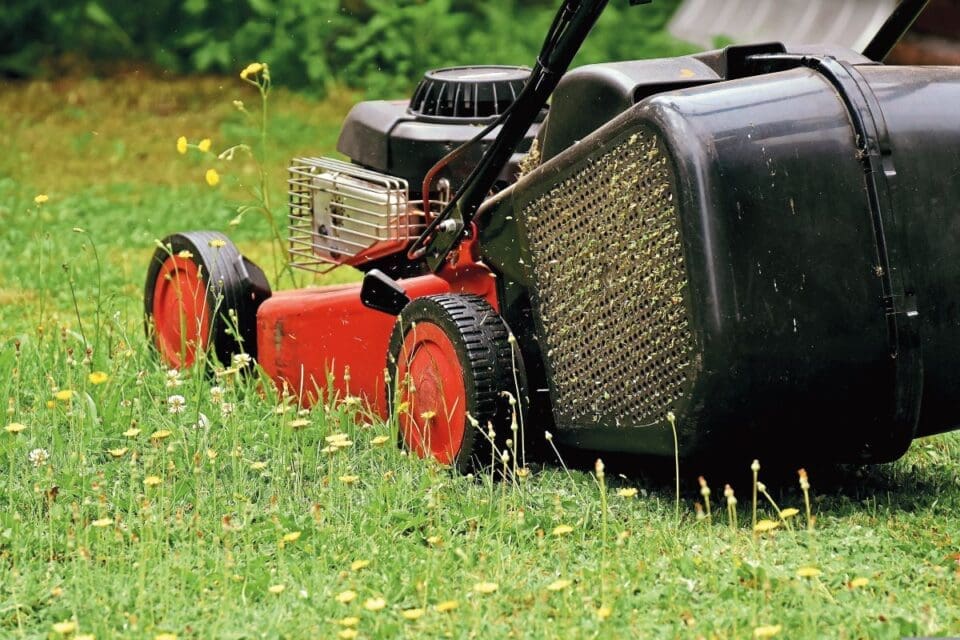
Let the grass grow longer – I mow once a fortnight, while leaving a few out-of-the way patches to grow even longer for the local wildlife. Clippings can be left to fall where they are cut, and a mulching lawn mower will shred the clippings fine enough so that they soon rot back down without any unsightly clumps.
Compost is the lifeblood to any garden. If you’re not in a rush, there’s no need to turn compost – just add your ingredients and, once full, leave heaps to rot down at their leisure. Compost direct in situ by digging compost pits and trenches where next season’s nutrient-hungry crops will grow. Then fill with prunings, kitchen scraps and old plants, cutting out the ‘middle man’ while saving time digging out mature compost at a later date.
Saving time in the garden isn’t about being lazy or cutting corners, it’s about working smart. Why not make your hard work achieve more? Ultimately tending a beautiful kitchen garden shouldn’t leave us run ragged – it should inspire and nourish.
Think clever and free up time to sit back and admire your hard graft every now and then – you deserve it!
Leave it to the robots
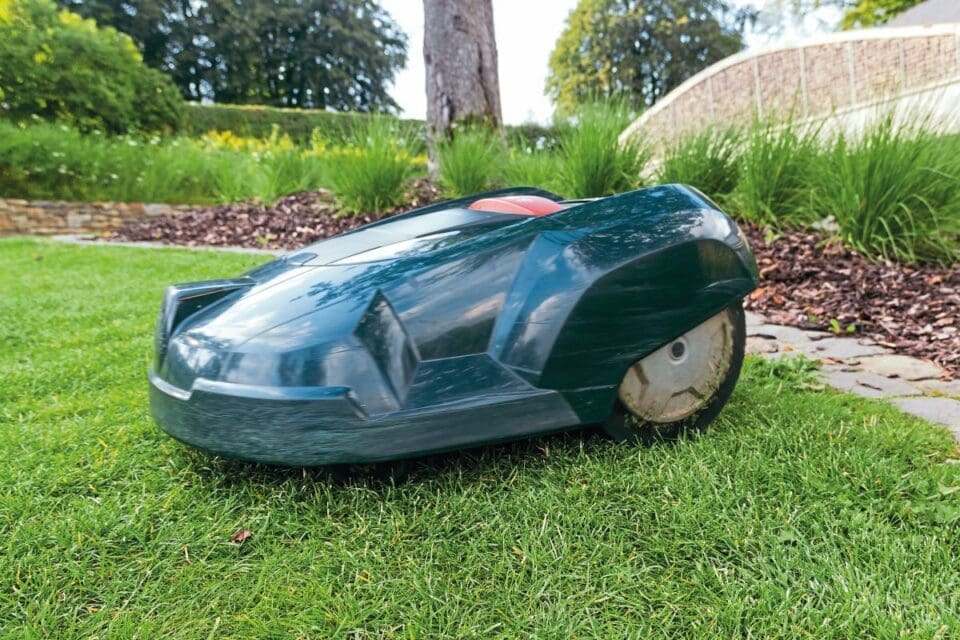
ROBOTIC MOWERS: There’s quite a selection of robotic lawn mowers on the market, each promising a sit-back, effortless alternative to traditional lawn mowers. Most of these fully automatic, battery-powered units use cables to define the lawn and any obstacles to be avoided. While they undoubtedly save time, they don’t come cheap, with a typical price tag starting at £1000.
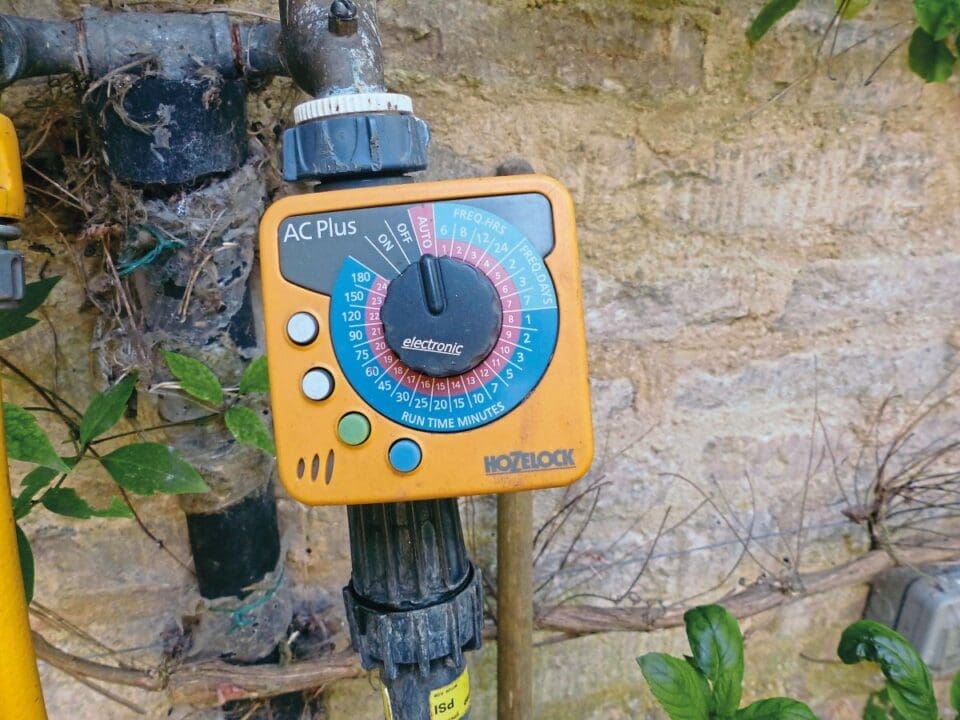
AUTOMATIC IRRIGATION: Watering systems are a lifesaver in hot summers. Sensibly positioned set-ups using drip irrigation or soaker hose can deliver water efficiently with none of the waste associated with overhead systems. Connect to a timer for full automation so the job’s done even when you’re away.
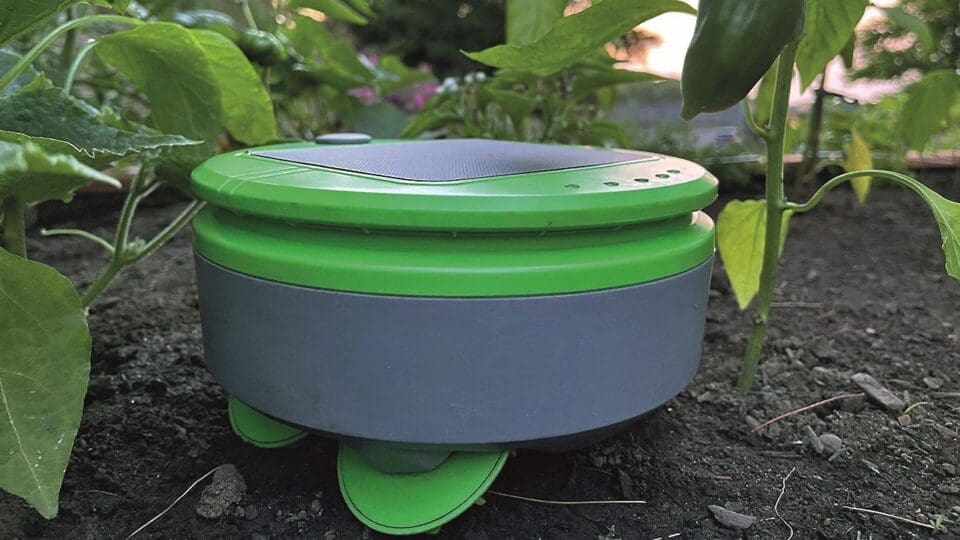
WEEDING ROBOT: Hate weeding? The Tertill might just be your saviour! This solarpowered, weatherproof robot stops weeds from even coming up by simply disturbing the soil as it moves around. Sprouted weeds are whacked into submission by its inbuilt strimmer. The weeder uses height to differentiate plant from weed, while seedlings can be protected with the included metal guides. This American-made robot can be found on Amazon.
Easy wins to save time when gardening
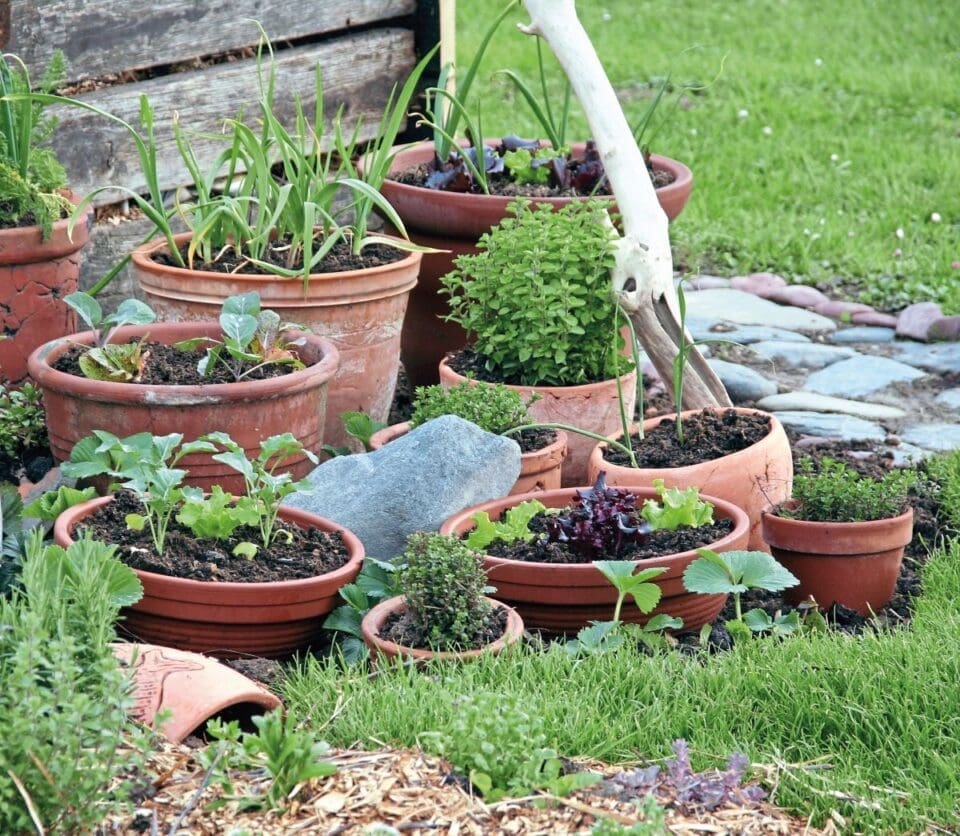
- CROPS IN POTS: Group pots for speedy watering and to cast mutual shade in hot weather, which will help to keep pots cool and slow evaporation.
- RETAIN WATER: Reduce how frequently you water container crops by mixing water-retaining gel into the compost at planting time.
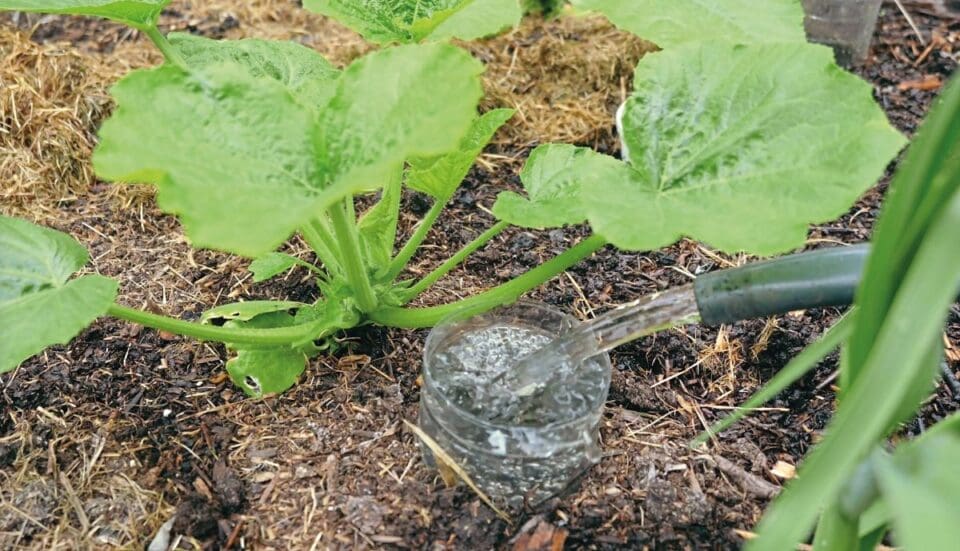
- SET UP RESERVOIRS: Sink plant pots or old, perforated bottles next to thirsty crops like courgettes and water into them. The water will be held in place so it can seep out gradually.
- BUY A HEAD START: Ready-to-go seedlings or plants offer a head start and less risk. It also means you can enjoy a range of, for example, tomato varieties without the hassle of multiple sowings.
- PLAN AHEAD: Planning avoids wasted time and effort by determining exactly what will be grown when and where to make the most of the space available.
- KEEP RECORDS: Jot down when you sow, plant and harvest, along with any observations to help you fine-tune timings and techniques for future years.
- PLANT INTO STRAW: Straw bales (right) save time watering because they act as sponges and hold moisture for longer. There’s no weeding and crops are raised, which makes it easier to tend them.
- DON’T PROCRASTINATE: Break down big jobs into manageable chunks. Weeding a full allotment is scary, tackling one bed each visit less so. Slow and steady stops tasks spiralling out of control.
More low-fuss crops
GARLIC: Exceptionally hardy, slug-resistant and easy to plant, garlic is a bombproof choice. Plant in November, weed through as it gets warmer, then gather the beautiful bulbs in summer. You don’t need a big space to produce plenty of bulbs that will last for many months.
KALE: My pick of the brassicas for their drama-free abundance. Sow in spring and plant in June for harvests throughout the colder months when they’re most needed. In fact, kale is the last word in cold hardy – just be sure to protect it against those pesky pigeons.
POTATOES: Chunky seed potatoes make spacing and planting straightforward, while fast growth ensures quick results. All you need to do is keep plants well watered when it’s dry and earth up or mulch to ensure developing tubers remain covered. Maincrop varieties store for months.
CLIMBING BEANS: Beans suffer from few pests – any initial blackfly interest is soon thwarted by the ladybirds! Both French and runner beans quickly cover their supports then pump out the pods from early summer right up to the first frosts. They are a great space saver too.
COURGETTES: Courgettes need no introduction! Start with young plants from the garden centre to enjoy almost immediate results. Plants ask just three things of you: regular watering, regular picking and a little company – so plant at least two courgettes to enjoy better fruit set.