Do your tomatoes have a habit of remaining stubbornly green? Benedict Vanheems has some top tips to ripen our favourite summer staples!
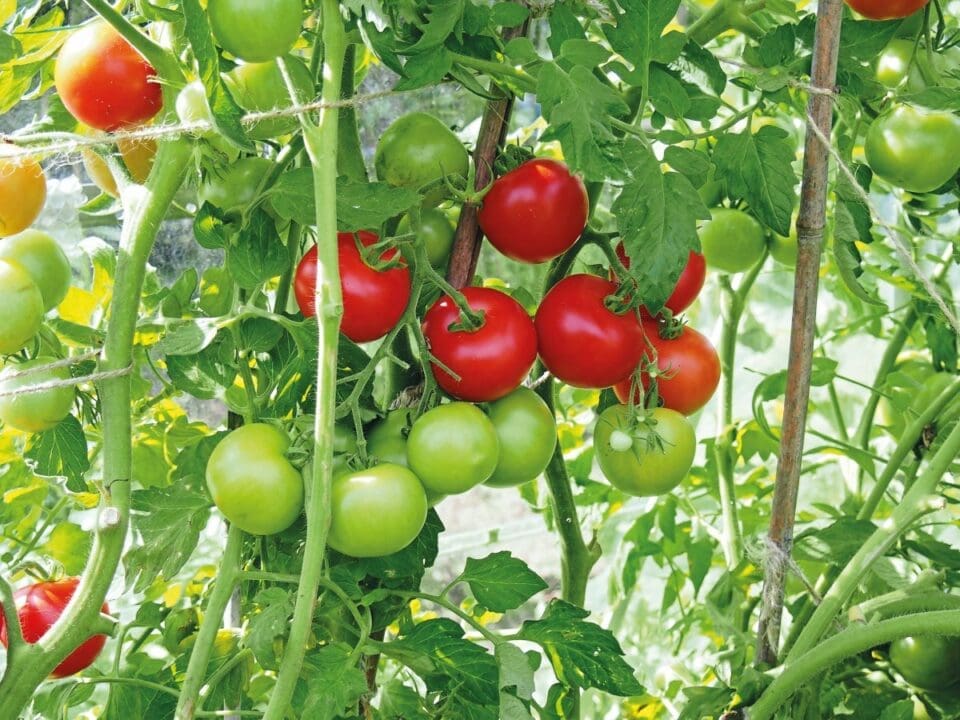
Time and again tomatoes top the polls of our very favourite homegrown crop. It’s no wonder – with such a veritable smorgasbord of varieties in a universe of sizes and shapes, there’s always going to be something new for us to explore.
But tomatoes have us playing a guessing game most seasons. Will they or won’t they ripen before blight hits? Will those final trusses colour up in time? And just how many trusses is it safe to leave in the hope they’ll all develop to glorious maturity?
Enjoy more Kitchen Garden Magazine reading.
Click here to subscribe & save.
Ripening tomatoes is a bit like conducting an orchestra. There are lots of moving parts and getting your plants to crescendo, on time, requires a little skill and wrangling.
What tomatoes need to ripen
Getting tomato plants to the point of perfection includes the basics: the sunniest, warmest position you can muster, frequent watering to support steady growth, and regular feeding to encourage flowers and fruits. There’s little point skimping on the tomato feed – the small cost will be repaid many times over in the abundance of what you pick.
With steady watering and feeding, you’re already doing all you can to smooth the path to mature fruits, bursting with taste and filling the air with that heady aroma. Then once the fruits start coming, it’s your delicious job to keep picking; removing the load from the plant, diverting its energy into the next truss.
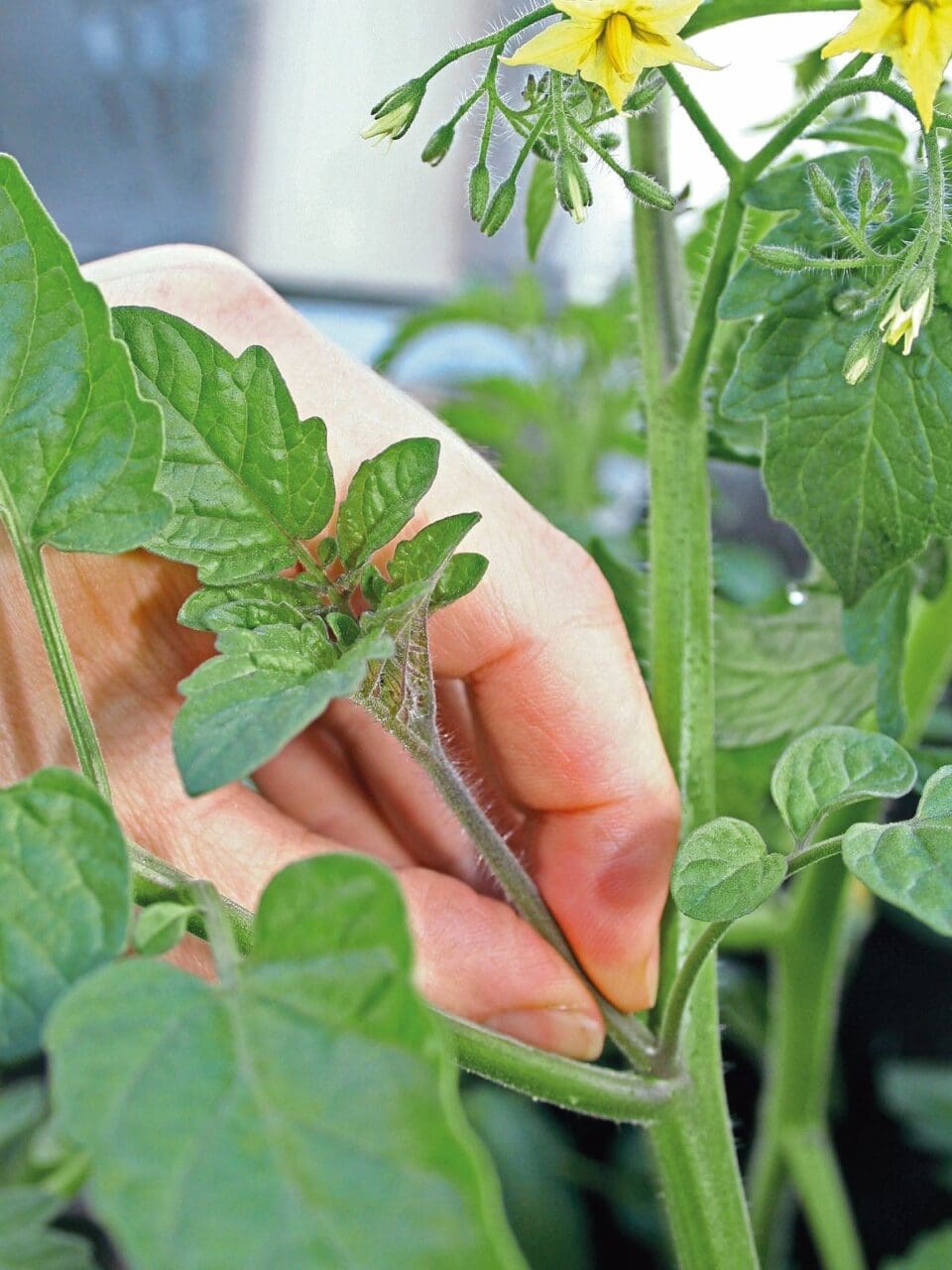
Vining or cordon tomatoes need any sideshoots removed that grow between the main stem and the leaves coming off it. This too will focus plants’ attention on fruit production. The question then remains of when to ‘stop’ tomatoes – pinching out the very top growth to help those final fruits ripen. With rapidly declining temperatures, sun strength and daylight hours later in summer, it’s prudent to stop cordon tomatoes sometime in August – perhaps early August in more northerly areas and later in the month further south.
Good light and air circulation helps promote healthy plants and encourage ripening. Once plants are a decent size – somewhere between waist and shoulder height – I remove the lowest leaves up to the first truss. This reduces the risk of soil or compost splashing back up on to the foliage or fruits, which in turn reduces the risk of soil-borne diseases gaining a foothold. This, together with regular removal of sideshoots, should ensure plenty of airflow and a healthier growing environment all round.
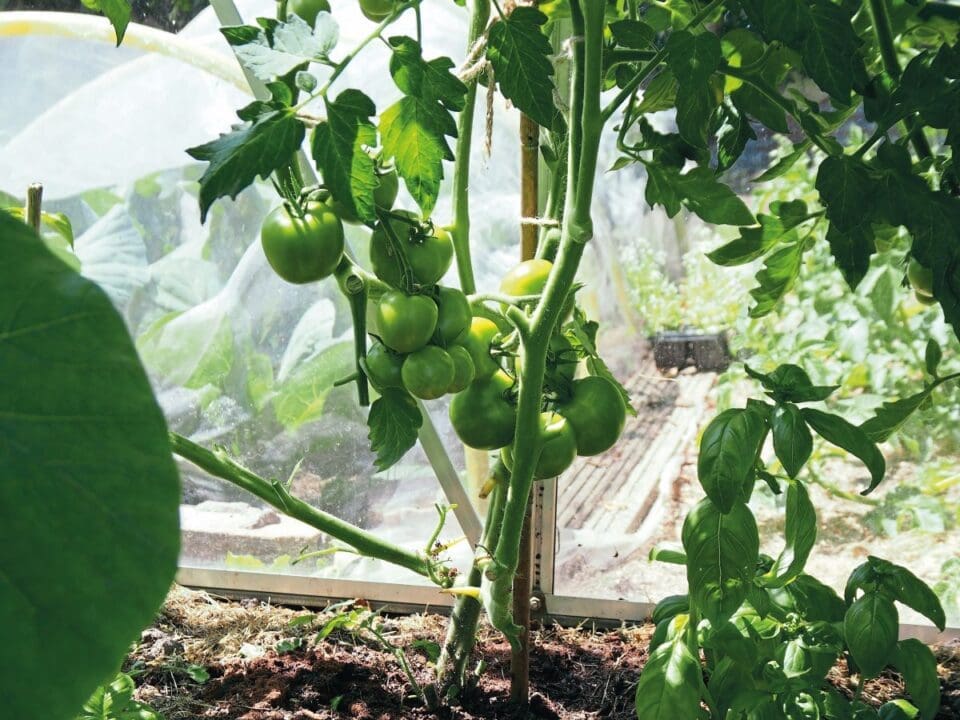
Still not ripe? Stress your tomatoes, not yourself
Many plants respond to stress by speeding up with seed production, and tomatoes are no exception. Encourage tomatoes along towards the end of the season by creating a more stressful environment. Gently tug on the base of the stem to disturb or even snap a few of the roots below ground.
Alternatively, cut right back on watering, taking care not to let the rootzone completely dry out or else fruit might split when you do water. Both should help hasten ripening.
How to continue ripening tomatoes indoors
By October any fruits remaining on plants are highly unlikely to ripen in time. If the first frosts don’t get them, the lack of decent light and general warmth certainly will. It’s time to cut your losses (or gather in the last of the bounty!) and continue ripening indoors. Cut free trusses of fruit, handling with the utmost care of course to avoid bruising them.
Any tomatoes showing even the slightest suggestion of their final colour have a good chance of ripening off the vine, indoors. Those that are still a deep, dark green may prove more of a challenge to coax to perfection so set them aside – we’ll be dealing with those in a bit.
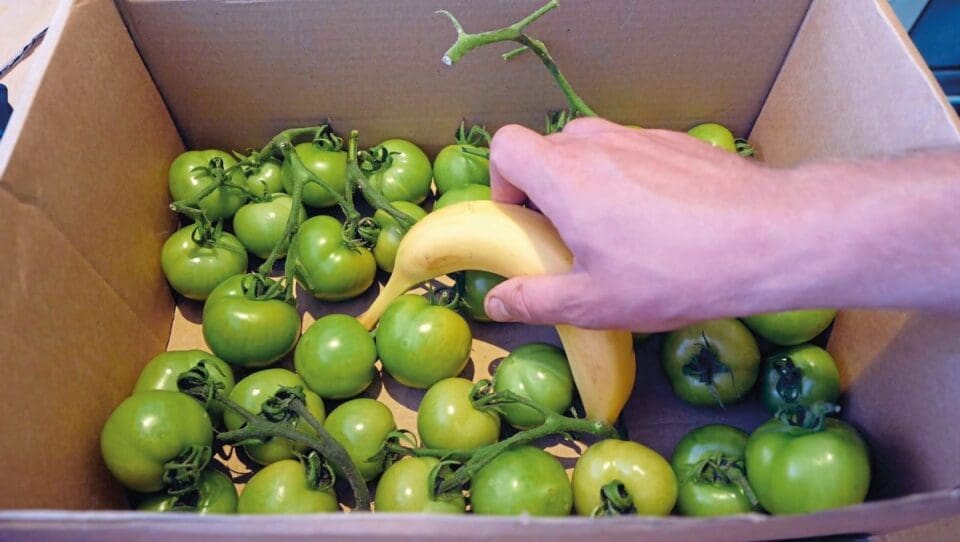
Keep your underripe tomatoes out of the fridge, on the countertop to finish ripening. The classic advice is to sit the tomatoes with a ripe banana. Ripe fruits give off ethylene gas, which encourages surrounding fruits to hurry up and ripen – and bananas are particularly good at emitting this gas. You may want to trap the ethylene as best you can by placing both the tomatoes and banana into a sealed paper bag or lidded box.
Off the vine, the biggest cue for fruits to ripen is warmth, so they don’t need to sit in the sunshine. In all honesty I just place my tomatoes into a vegetable rack where they ripen in varying degrees of speed over the following weeks. In this way I have had the very last of my late October-picked tomatoes sit in a sort of stasis right up until Christmas, when they’ve been good to go. Imagine that – home-grown tomatoes to dress up the prawn cocktail starter to your festive lunch!
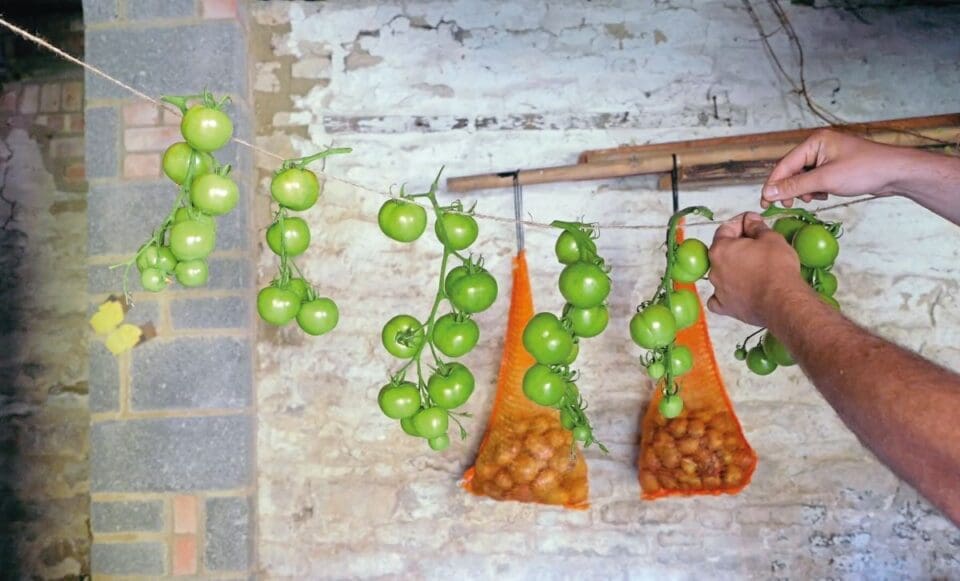
Should you find yourself with lots of green tomatoes one possibility is to keep the bulk of your fruit somewhere cool and dark – at the back of an unheated spare room, for example, then bring the tomatoes out in succession to a warmer spot as and when they’re needed to finish off.
Make use of unripe tomatoes
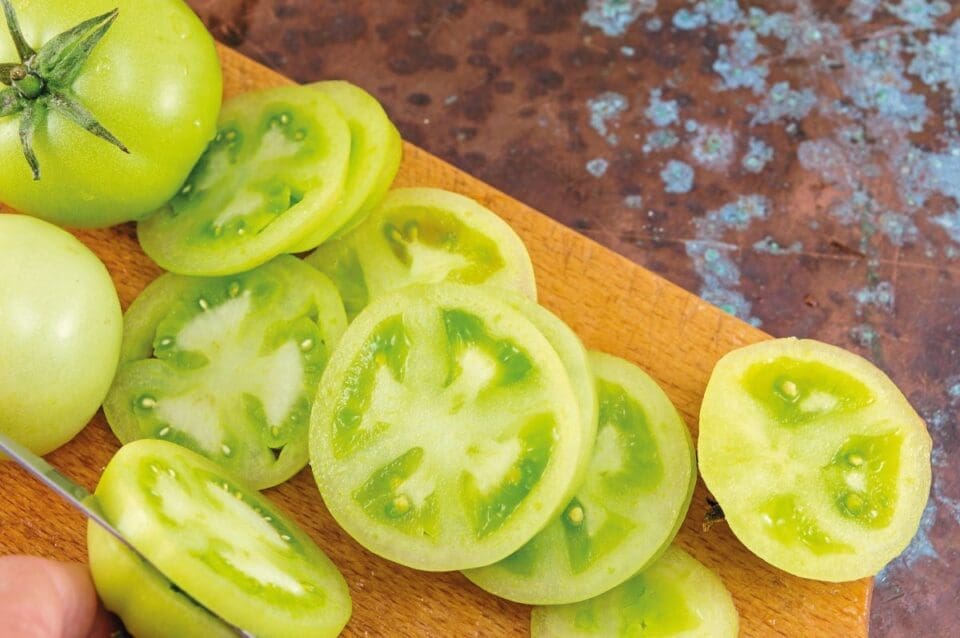
Immature tomatoes, or fruits rescued from blight-ridden plants, can be turned from disappointment to delicacy. The Americans have this one covered too, with their classic Southern soul food, fried green tomatoes. Having researched and tried this for myself I can confirm that this is a dish that will, hand on heart, have you picking underripe tomatoes specifically for this finger-licking treat. Move over green tomato chutney!
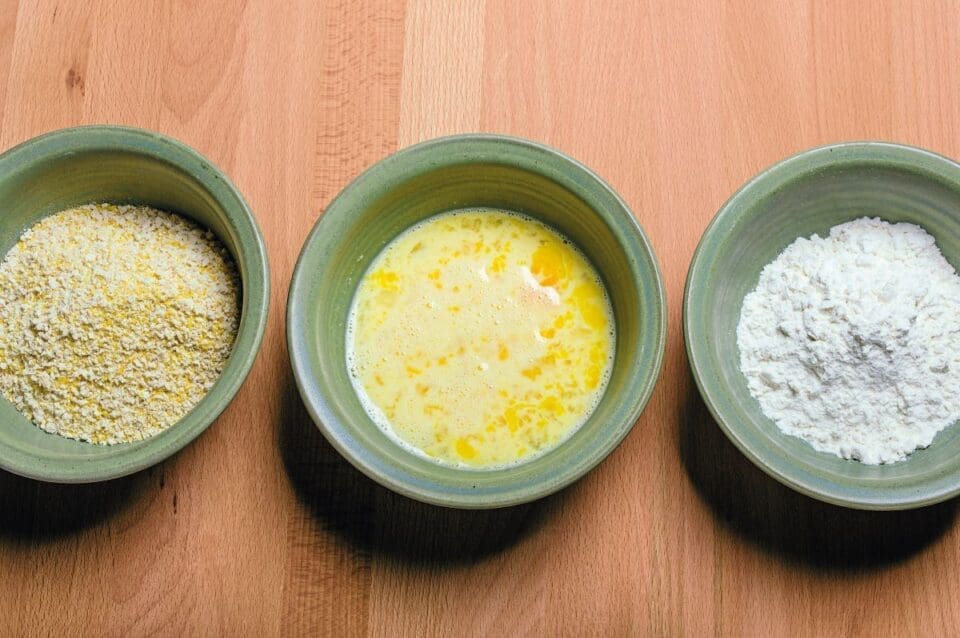
Slice green tomatoes up into half to full centimetre-thick rounds. Season then dip into plain flour, then beaten eggs, and a finishing coating of polenta, spiced with a little cayenne pepper if you like it warm. Fry the coated slices off in a heavy-bottomed pan of hot oil, frying each side for a few minutes.
Remove to a waiting plate lined with kitchen towel to absorb the excess oil, then serve piping hot with an accompaniment of your choice – I love sweet chilli sauce or sriracha. Just totally, outstandingly delish!