Ben Vanheems shares some essential tasks to carry out in your garden and allotment for April.
What can I sow and plant outdoors in April?
- Root vegetables: Carrots, radishes, parsnips, turnips
- Leafy greens: Lettuce, spinach, rocket
- Legumes: Broad beans, peas, parsley
- Tubers/bulbs: Plant out first and early potatoes, garlic
What to start off indoors/under cover in April?
- Warm-season crops: Tomatoes, peppers, aubergines, cucumbers, pumpkins and squashes
- Herbs: Basil, coriander, dill
What can I harvest in April?
- Asparagus, spring cabbage, kale, leeks, parsnips, rhubarb, sprouting broccoli, salad leaves, Swiss chard
April is notoriously unpredictable with everything from snow showers to extended periods of mild, dry weather. But with the weather tipping decidedly from winter to spring at some point this month, direct sowings can finally begin apace.
Don’t jump the gun, however. It is better to be guided by the local weather and the state of your soil than be a slave to seed packet instructions. Soil shouldn’t be wet but will have drained through and warmed up a little. You can speed things along by covering prepared ground with black plastic.
Enjoy more Kitchen Garden Magazine reading.
Click here to subscribe & save.
The list of things to be sown is enormous! Pay attention to the correct spacing for each crop and thin out in stages so seedlings aren’t overcrowded. Early sowings can be protected from late frosts with a sheet or two of horticultural fleece.
What jobs do I need to do in my fruit & vegetable garden in April?
Support peas
Early sowings of peas need supporting to keep them from flopping over on to the ground. Twiggy sticks are easiest for this purpose – just push them into the soil alongside plants.
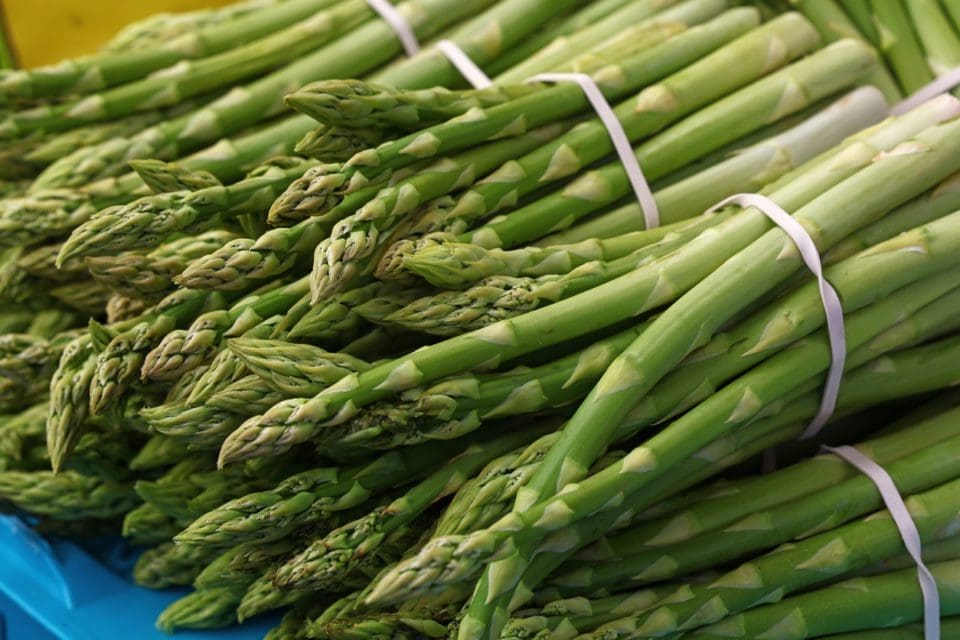
Harvest asparagus
The first asparagus stalks will be ready from mid-month. Cut them no taller than 18cm (7in). Use a sharp knife and cut about an inch below the soil surface.
Feed fruits
Prepare fruit bushes, trees and canes for the season ahead. Tickle in a slow-release general fertiliser around plants then apply a mulch of well-rotted manure or compost.
Plant broad beans
Plant out broad beans that were begun under cover. Set plants out about 23cm (9in) apart in both directions. Protect young plants from cold with fleece.
Install a water butt
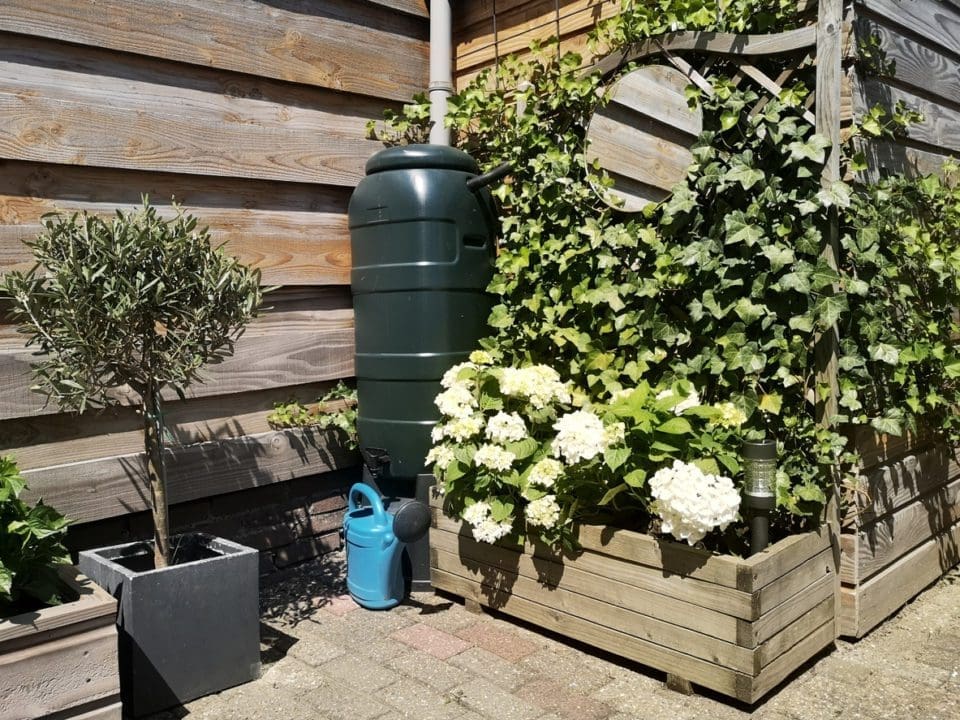
The threat of drier summers should encourage us to collect as much rainwater as possible. Rainwater is more environmentally friendly and it’s better for our plants anyhow. Water butts come in all shapes and sizes, including slimline options where space is at a premium. Select a firm, flat surface to sit your water butt on and, of course, you will need suitable guttering and a downpipe to collect and divert rain into the container. Make sure it’s covered to keep the water cleaner and minimise chances for mosquitoes.
Our top crop to sow in April: Carrots
Carrots are one of the cheapest vegetables you can buy, so why bother growing them? The answer is obvious when you eat a just-pulled root: taste! Early April is typical for making the first sowings of this popular root crop. Sow into weed-free soil to a depth of about 1cm (½in). Space rows as close as 20cm (8in) apart for tender roots of early varieties to lift as soon as June. Maincrop rows are best 30cm (12in) apart. Thin in stages to leave plants at least 1cm (½in) apart, so roots have enough space to swell. Thin out seedlings on a still evening to avoid alerting carrot root flies to their presence.
More on sowing and growing carrots:
How to plant potatoes –
Potatoes may be planted from the end of March and throughout April, starting with early varieties and finishing with maincrop spuds.
STEP 1: Prepare ground by incorporating plenty of well-rotted organic matter then finish off with a sprinkling of organic potato fertiliser.
STEP 2: Lay out your seed potatoes on the soil surface, ready for planting. Space earlies about 35cm (14in) apart, and maincrop varieties 45cm (18in) apart. The potatoes can then be pushed into the soil or planted by trowel to a depth of about 5cm (2in).
STEP 3: Alternatively, if your soil is relatively well drained, you could try growing them in straw. Leave the seed potatoes on the surface then cover the whole area with straw to a depth of about 10cm (4in). Water to settle. Instead of earthing up, simply add more straw.
Pests and problems to look out for in April:
- DOWNY MILDEW: This fungal disease is common in brassicas. Seedlings get a white coating and quickly perish, while adult leaves turn yellow and shrivel. Remove infected material immediately. Proper spacing and weed removal should help avoid it in the first place.
- MICE: Chunky seeds like peas, beans and sweetcorn make tasty pickings for hungry mice. They can also demolish young seedlings, particularly in cold weather. Use traps to control serious infestations or, perhaps more ethical, raise plants elsewhere to plant out once they’re bigger.
- LATE FROST: Mild weather can lull us into a false sense of security. Young seedlings may benefit from a temporary cover of horticultural fleece in a cold snap. Fruit blossom and buds are particularly susceptible to frost and will definitely need protecting on frosty nights.
What to do in the greenhouse in April
Start off squashes
The squash family – courgettes and marrows, cucumbers and, of course, summer and winter varieties of squash – offer an abundance that’s difficult to match.
Sow now with a little warmth to get seedlings off to a good start and so you have strong plants ready to set into their final positions next month. The recommendation is to sow seeds on their edge, so water doesn’t pool on top of the seed. Sow into small pots or large modules of multipurpose compost to a depth of about 1cm (½in).
Plants go out after the last frost following hardening off but may need potting on into larger pots before this point. Do this carefully to avoid any accidental damage to roots or leaves. Cover plants with fleece for a few weeks after planting to help them settle into their final home.
Split supermarket herbs
STEP 1: Look closely at a supermarket pot of herbs such as coriander, parsley or basil and you’ll notice that there isn’t one plant but lots of little plants, all crammed together. With a little care it is possible to tease them apart for potting on into individual pots.
STEP 2: Pick off any yellowing or damaged leaves. Only pot on seedlings that still have plenty of their own roots attached. Use 7-10cm (3-4in) plastic pots and a quality peat-free compost. Gently firm in the compost around the roots then tap down to settle. Water well.
STEP 3: Grow your herbs on in a bright, warm place. Once the roots have filled the pot – usually within a few weeks – they can be planted out into bigger containers or around the vegetable garden. Let them flower to attract beneficial insects such as hoverflies and lacewings.
Use module trays
Many vegetables that can be sown directly outside are also worth starting off under cover by sowing into seed trays and module trays. This gives more flexibility, allowing an earlier start at the beginning of the season and more efficient use of space as one crop can be sown while a preceding crop is still in the ground.
Invest in sturdy module trays that can be reused time and again. Some vegetables such as onions, spring onions and beetroot may be sown in pinches of three to five seeds to grow on in their modules and planted out as a cluster on a grid pattern. Others like lettuce or celery are best started off in pots or seed trays then pricked out, one plant per module.
For the latest tips and tricks from Kitchen Garden, be sure to subscribe and never miss an issue!