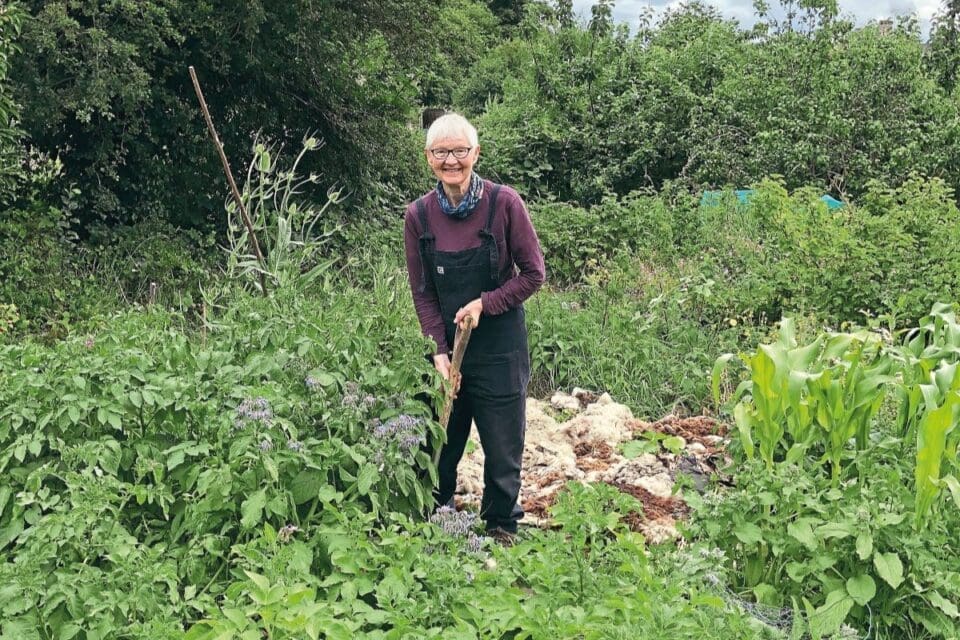
Encouragement to grow your own is being passed on to the next generation, as Sally Clifford discovered when she visited a former Dig for Victory site in the historic city of York.
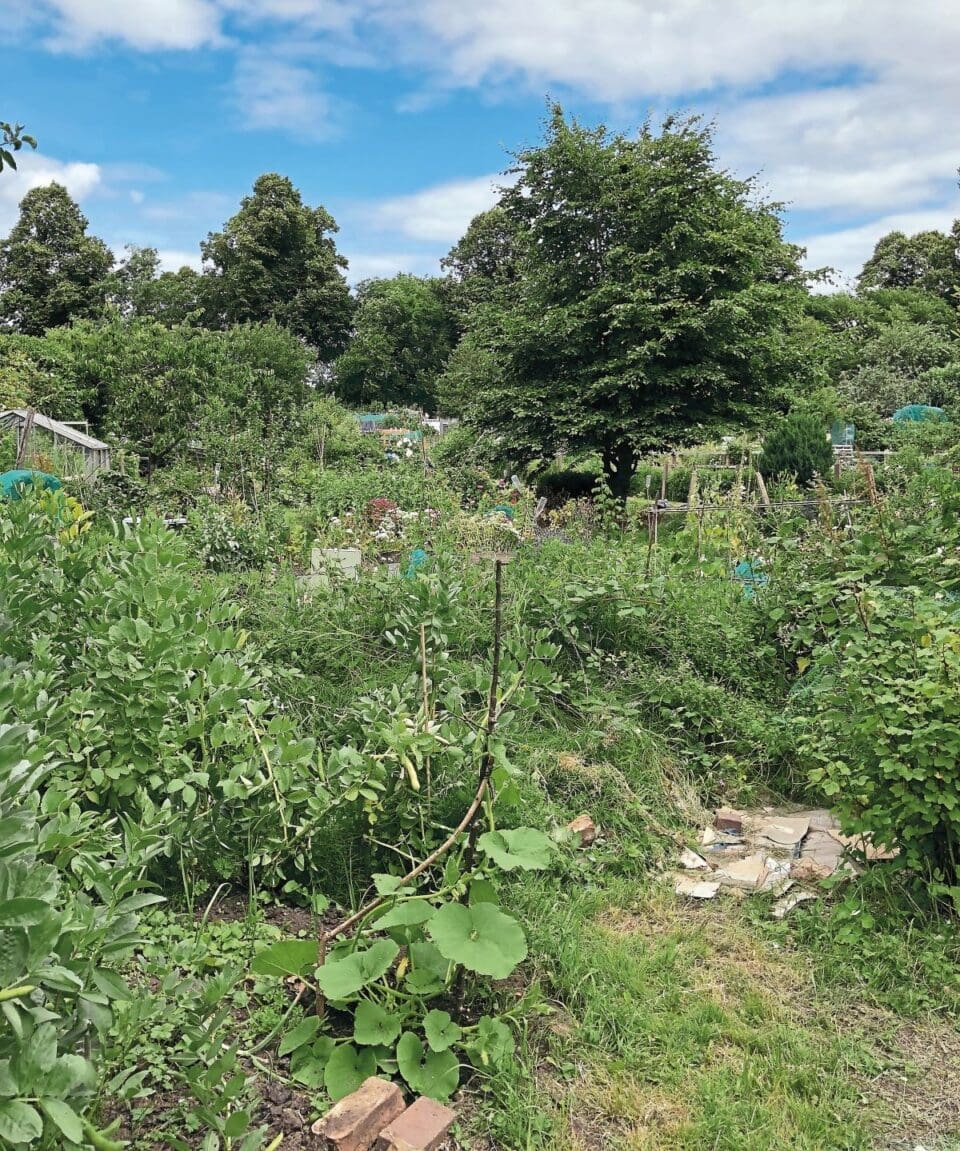
From within the slightly sloping vista I am told York Minster’s iconic Central Tower can be seen. Seasonally obscured, as it was during my visit with summer’s cloak of greenery, abundant plant life and produce, it is hard to comprehend how close this enclave of ‘countryside’ is to the city walls.
The layout of plots at Scarcroft Allotment & Amateur Gardeners’ Association is naturally compartmentalised by foliage spanning what were once vast parcels of land, deep rooted in York’s expansive history. While growing your own is the focus, there’s a real sense of sharing this valued space with the community, through public pathways bordering the site and events, such as theatre performances, held here.
Enjoy more Kitchen Garden Magazine reading.
Click here to subscribe & save.
This sense of community has flourished since the war years when Scarcroft was among sites designated for the Dig for Victory campaign. According to records, an area in front of Scarcroft View grew only potatoes from around 1939 to 1949. Back then the restrictions of rationing prompted plot-holders to grow their own, while today’s quest for self-sufficiency is, perhaps, the reason for the current waiting list of 470 vying for plots. Scarcroft Green Nursery is among the fortunate ones to get growing in this natural haven.
An invaluable resource
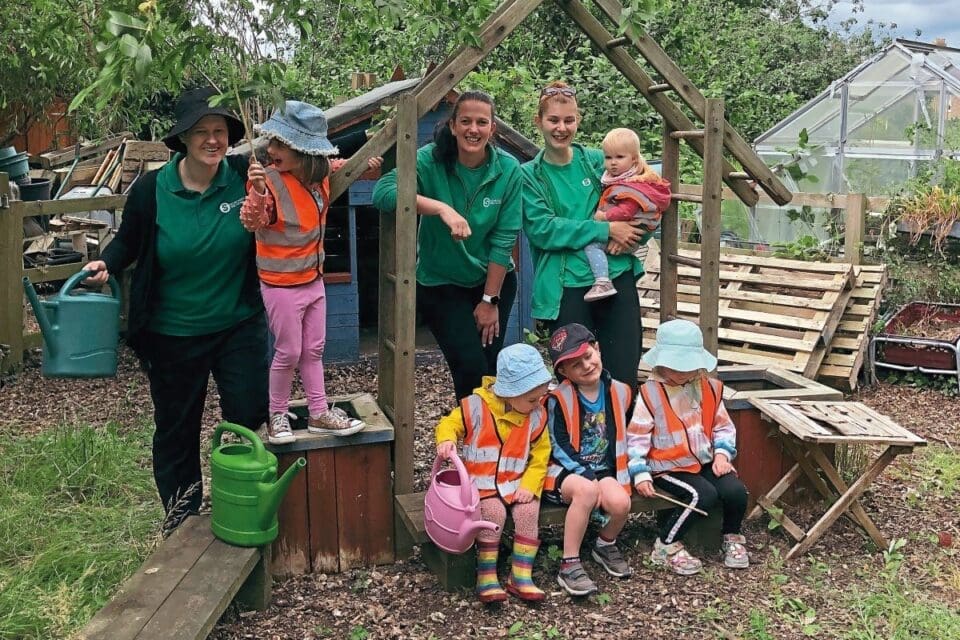
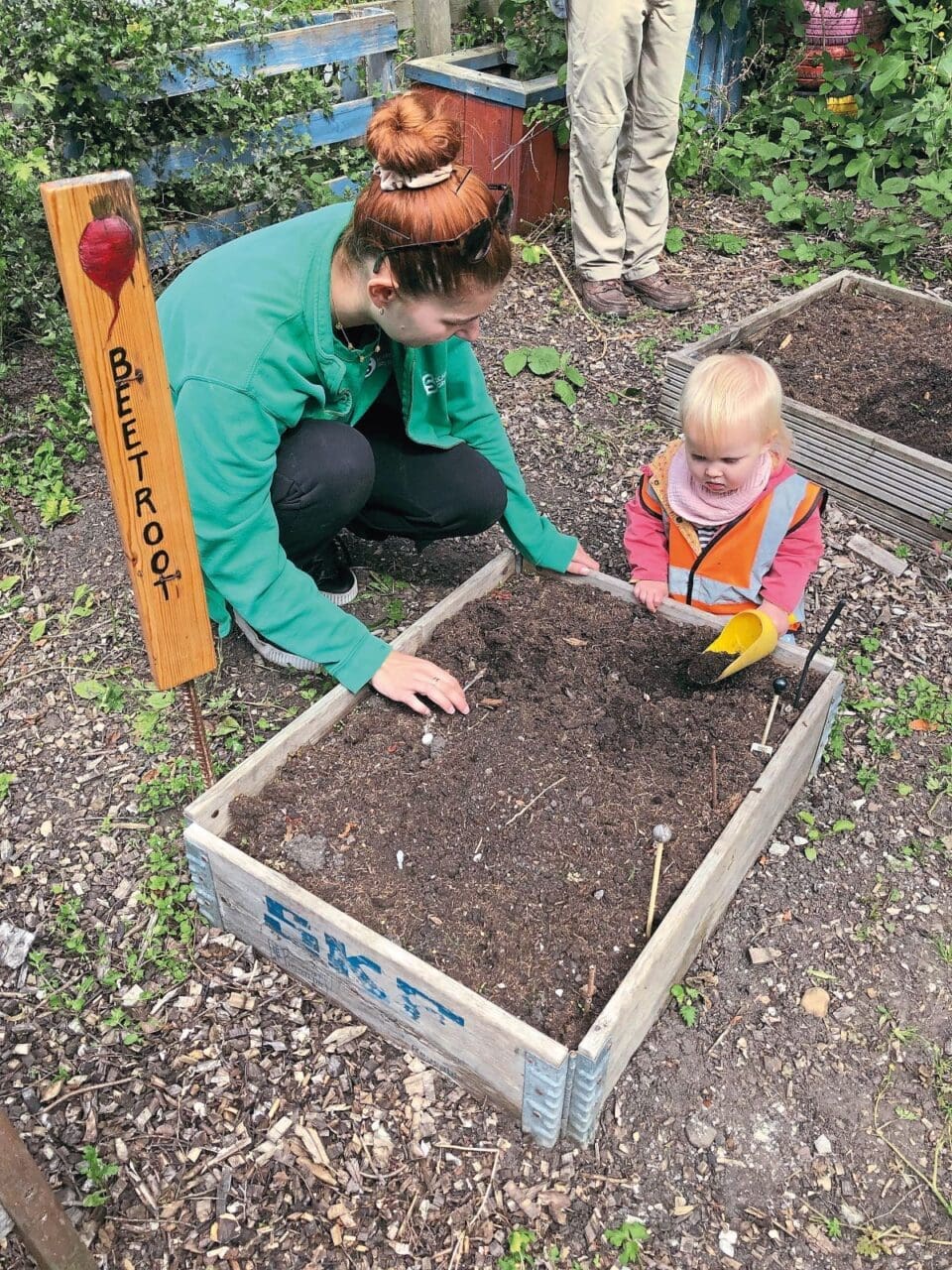
A robin lands close to a raised border where a child digs the earth. This hands-on approach is demonstrated as staff chaperone the tiny gardening team around the plot. Watering cans are filled from butts and peas are fed with recycled rain. Recycling is very much at the heart of this plot. Crop markers are fashioned from drumsticks and wood planks, and, I’m told, the pergola created from recycled ladders provided a climbing frame for last year’s beans.
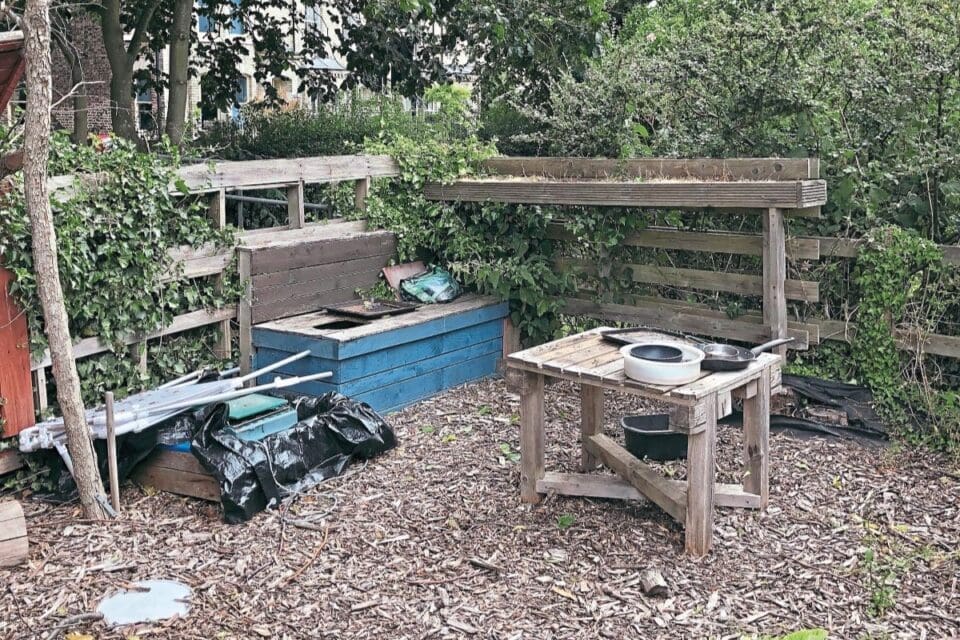
The playhouse and mud kitchen provide time away from the watering and tending. Emma Puckrin, deputy manager of Scarcroft Green Nursery, part of York Childcare Ltd, explains they acquired the plot five years ago.
“It’s an invaluable resource,” says Emma. “We do try and get them to understand we are growing things that will be used in nursery meals.”
Unzipping the polytunnel, one of the staff guides a child who is enthusiastically watering crops of peas.
Emma explains some crops with a speedier growing process are selected so the children don’t have to wait too long to see the fruits of their efforts. Surplus produce is also shared with the community and a local food bank.
Growing aside, Emma explains the children are spending time outdoors and gaining an understanding of the world. “We are doing everything we can to give them a rounded education in early life.”
Thirteen-year-old India looks after a plot with her parents. Mum, Agnes, explains India’s interest grew from the Kids Community Allotment at Low Moor Allotments. “On our plot I let her do as much or as little as she wishes. As far as I’m concerned we are all there to enjoy ourselves, whatever it means for each of us,” says Agnes.
She says growing your own gives an insight into the work that goes into producing food from a tiny seed held in the hand. “It is a cliché, but when you grow your own, you really do know what is on your plate.”
Aubergines, carrots, sweetcorn and tomatoes are among their home-grown produce.
Understanding nature
“Children are the future, so if they grow up with knowing nature, understanding nature and learning how to care for it, then hopefully it will be something they will carry on into adulthood, and maybe make better and wiser environmental decisions,” says Agnes.
Owned by City of York Council, Scarcroft Allotments is one of 16 allotment sites managed by YACIO (York Allotments Charitable Incorporated Organisation). It is understood Scarcroft, and adjacent sites, had up to 400 plots when the land was designated for allotments in 1917. Back then the farming of rabbits, poultry and pigs was allowed. Agriculture is retained on a smaller scale – three chickens occupy the Scarcroft site which today has nearly 200 plots.
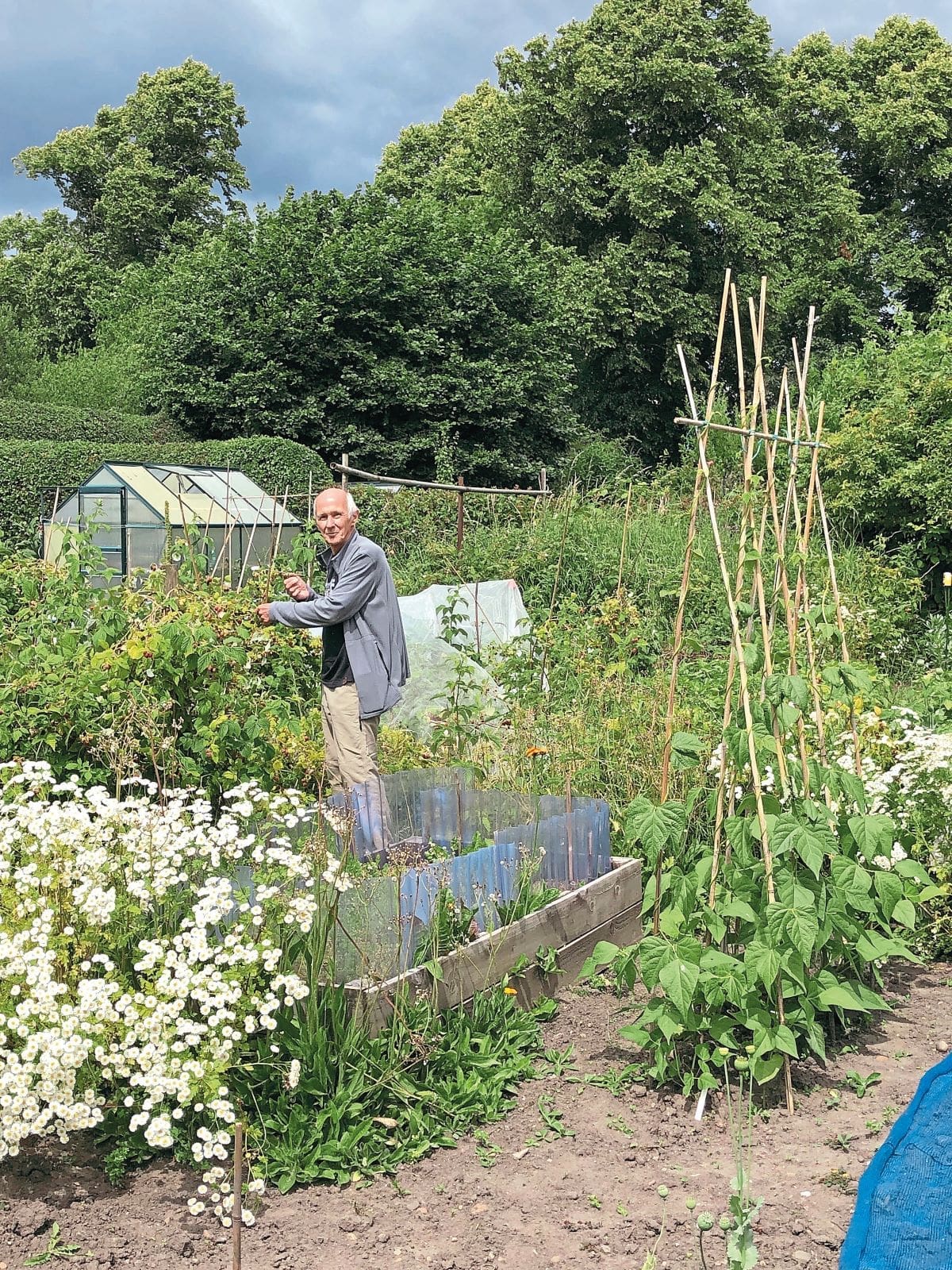
Graham Sanderson’s introduction to Scarcroft in 1986 came through the back door! He has two plots – one at the back of his house. “I remember the first day I spent working to clear away brambles and weeds. I thought, I haven’t done this since I was a child helping my parents,” he says.
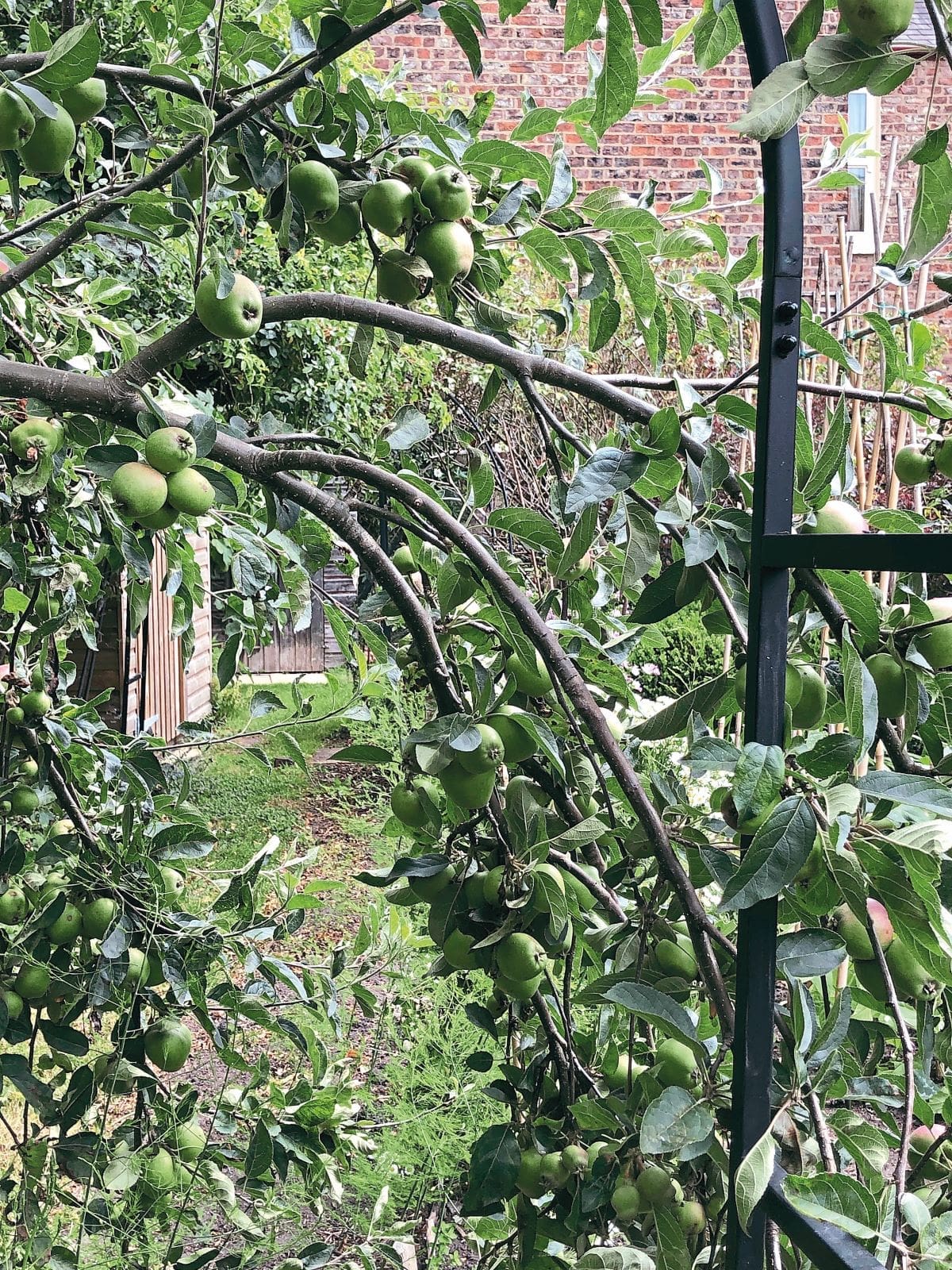
Apples, gooseberries and raspberries are among fruits occupying plots, framed by natural foliage. Beyond the greenhouse, where tomato plants are automatically drip-fed through an unglazed ceramic cone, beds are laid out with brassicas, borlotti beans, broccoli, Brussels sprouts and potatoes.
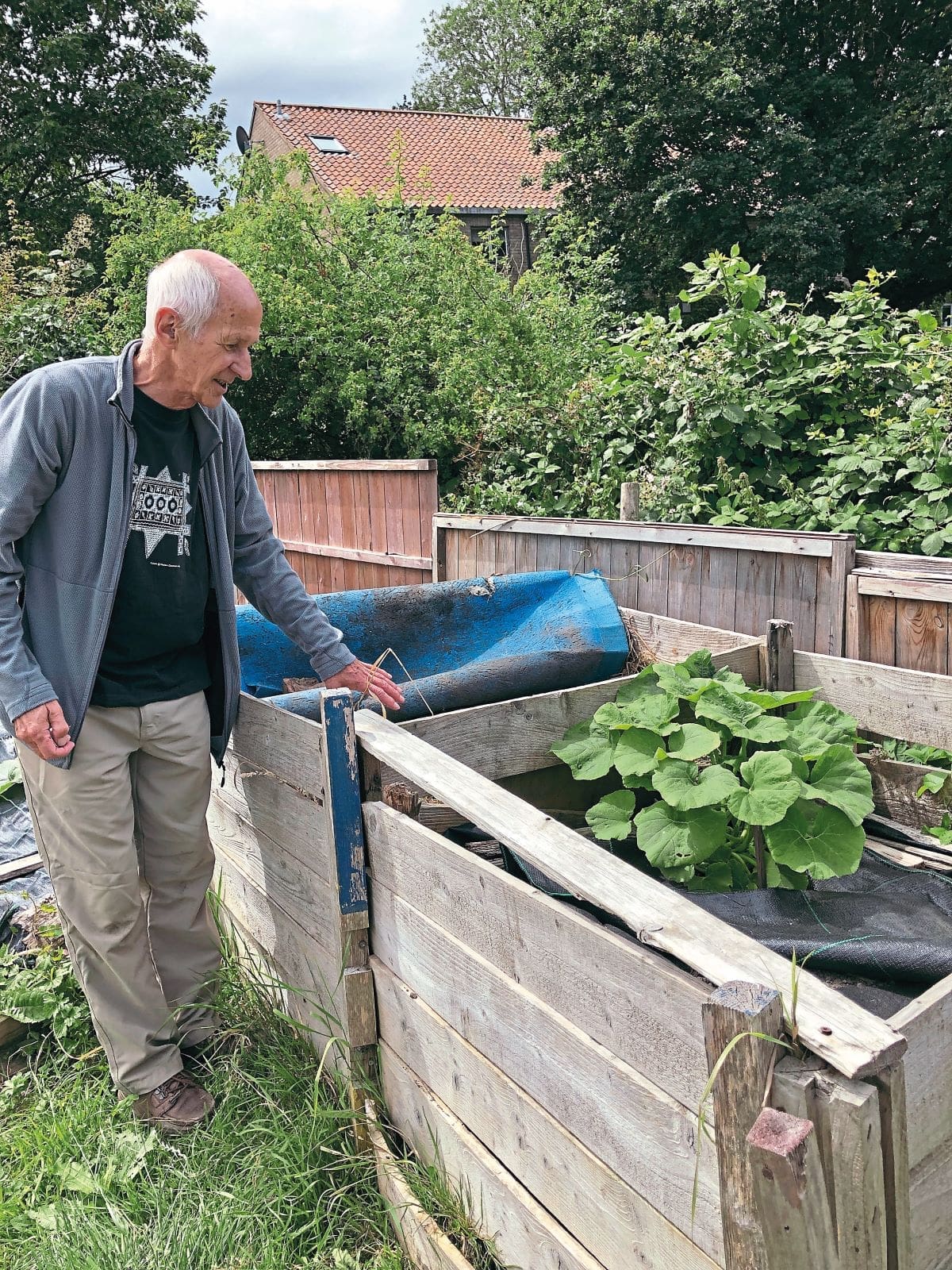
Graham’s home-made concoction of bindweed and couch grass uses natural waste from his plot to create a rich compost he spreads back on his beds.
“I love it, that feeling of hard work in the open air is magic,” says the retired teacher.
The Social Aspect
Sara Robin, who also lives close by, took on her plot in the Eighties. Jerusalem artichokes, nozomi (an oriental cabbage), oca and salad crops are among produce she grows with her friend and neighbour, Aoibheann Kilfeather.
“I have always liked growing things from being a small child. I’ve grown things where I have lived,” explains Sara, who has devised an interesting soil covering to encourage her no-dig system.
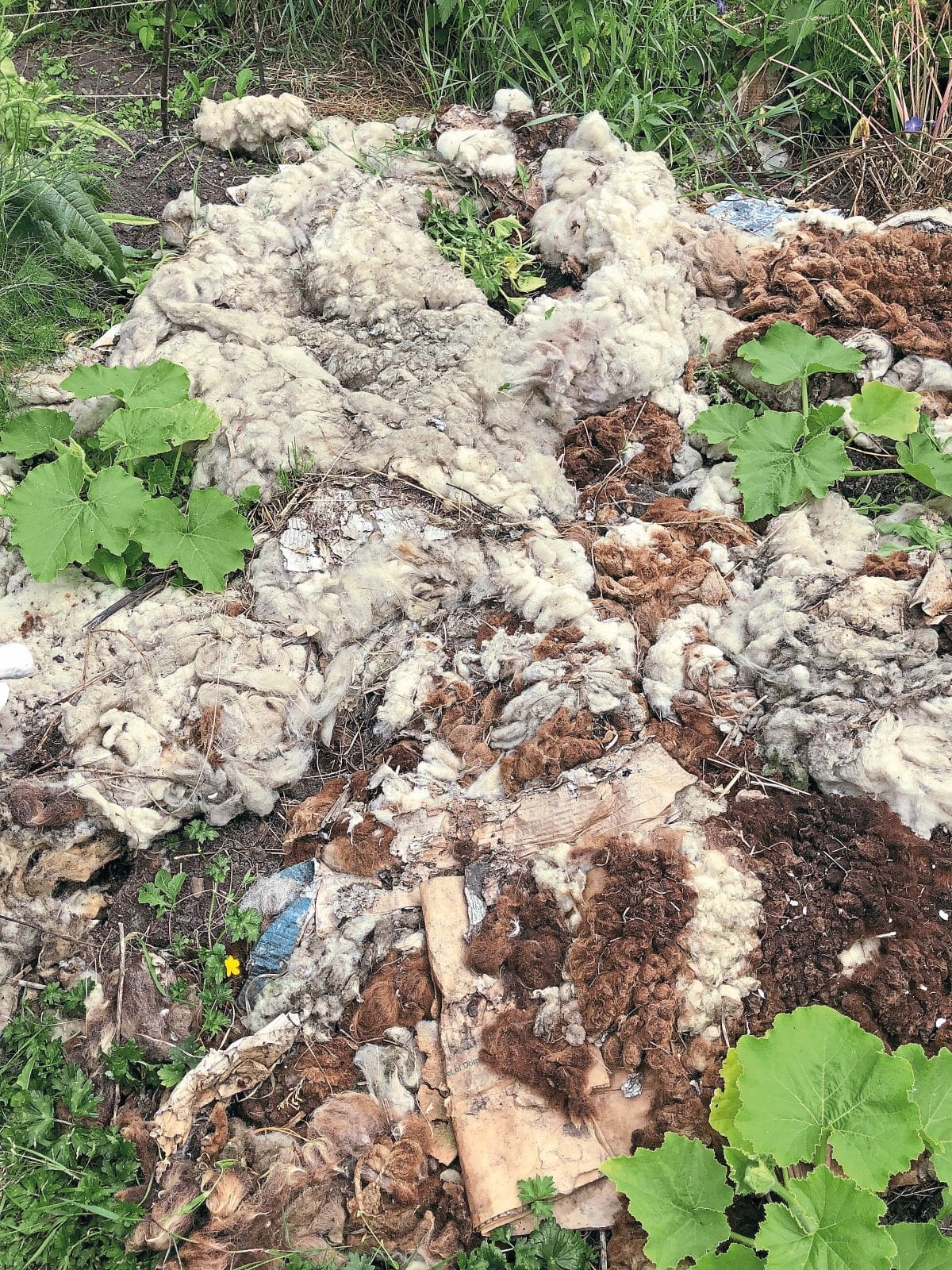
Jacob’s fleece is laid over a layer of manure and cardboard which eventually rots down. “It stops the ground getting too hot or too cold. If you do it over winter and lift it up in spring it’s amazing.
“You get this fab soil and you can put things straight in,” says the retired bicycle mechanic, who latterly worked for the Yorkshire Wildlife Trust.
“I am particularly interested in wildlife and insects. I don’t want things cleared, pulled up and tidied very much,” says Sara, who enjoys the site’s social aspect.
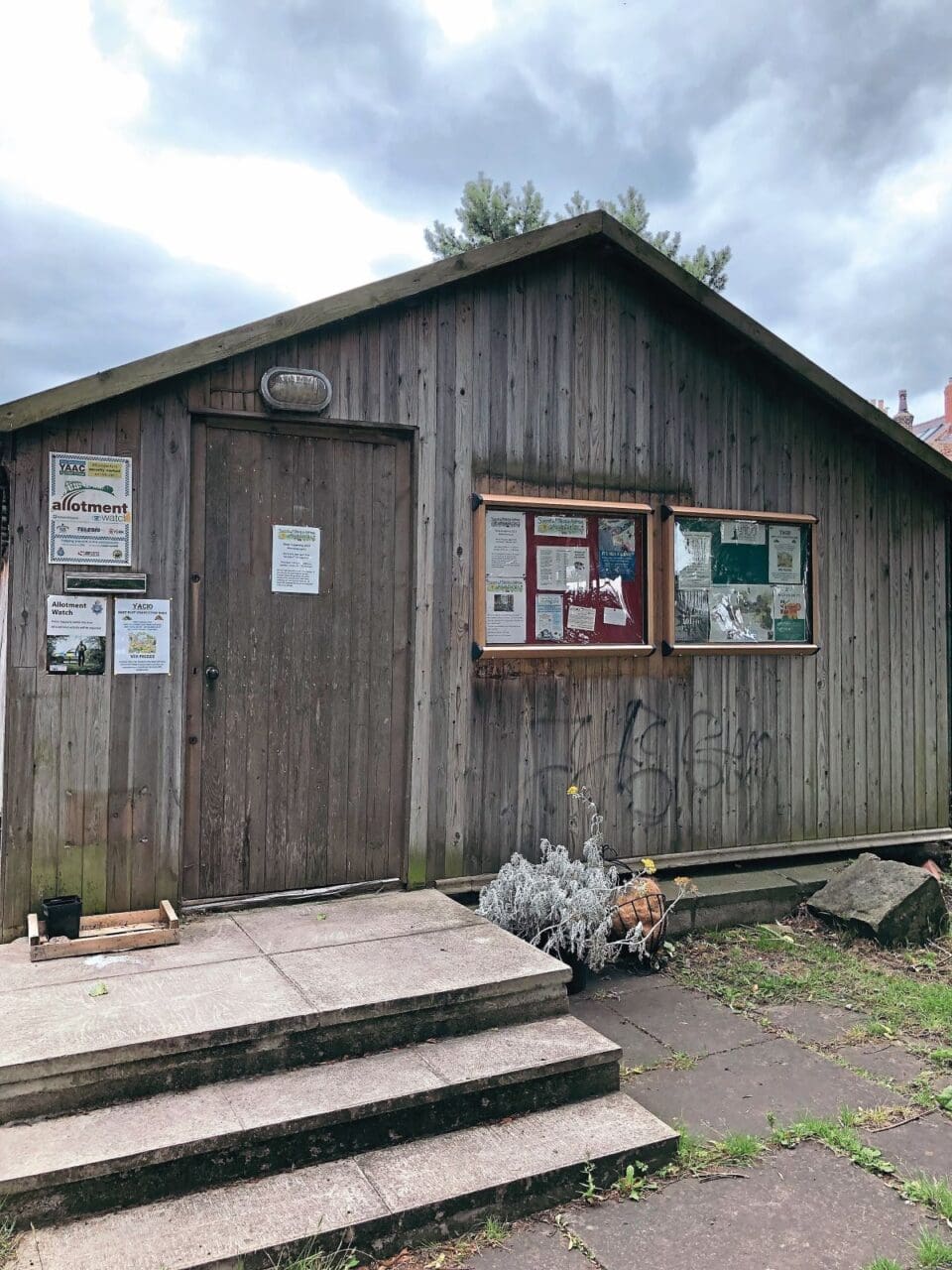
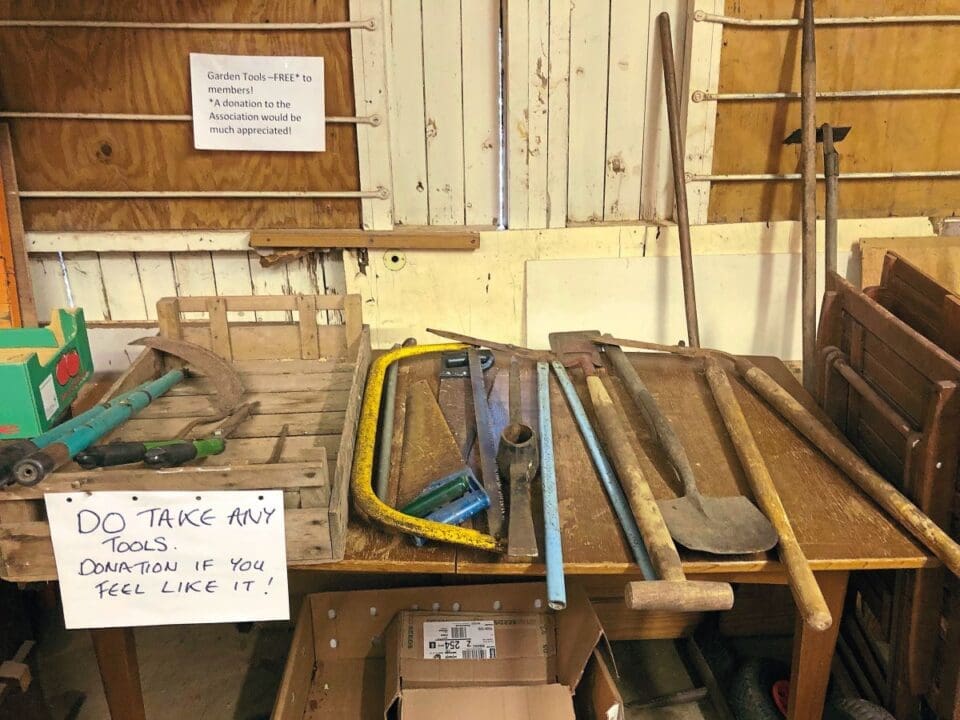
The hut is where growers get together, share knowledge, pass on equipment and surplus produce. Plans are in progress to replace the building, installed 50 years ago, with two storage containers and pitched roofs for water recycling – bringing great benefit to this much-valued site.
“What I love about it is it’s rather higgledy-piggledy because of the way it has grown up. It’s more like a bit of the countryside as well as being a garden,” says Graham.
“You can be a little way into the allotments and don’t feel like you are close to the city, yet it’s less than a mile from here to the city centre.”
For more information visit: https://scarcroftanddistrictallotments.blogspot.com