
Composting is like gardening magic, but sometimes your potion of peels and shredded paper goes a bit awry. Here are a few of the most common composting problems, and how to fix them.
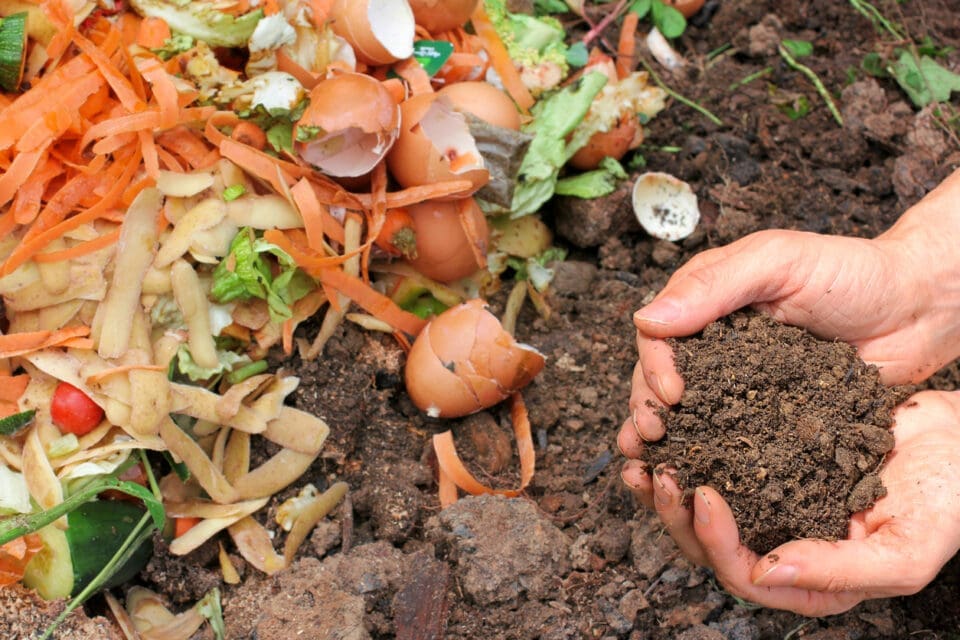
Compost too wet? Here’s how to fix it…
First off, how can you tell if your compost is too wet? Symptoms include bad smells, flies and formation of potentially harmful substances.
The solution is to dig out the heap and restack, incorporating more brown/dry materials. These can include fallen leaves, sawdust, shredded paper and pet bedding.
Enjoy more Kitchen Garden Magazine reading.
Click here to subscribe & save.
Compost too slimy? Here’s what to do…
If you’re seeing mats of slimy grass or green materials, your compost is likely too slimy. Sprinkle grass clippings in thin layers with plenty of other ingredients in between.
Compost too acidic? Here’s the fix…
Bad smells and slow decomposition could mean your compost is too acidic.
Add fewer wetter ingredients, including citrus peels and pulps. Sprinkle wood ash and add more browns, such as fallen leaves, sawdust, shredded paper and pet bedding.
Compost too dry? Try this…
Slow/ stalled decomposition can indicate your compost is too dry.
Water on collected rainwater to re-wet, or dig out and restack with additional green materials, including kitchen scraps and peels, grass clippings and coffee grounds.
Green materials vs brown materials
Green
- Kitchen scraps such as peels, rinds, eggshells and spices
- Coffee grounds and tea bags (biodegradable bags only)
- Grass clippings
- Dead plants and flowers, spent crops
- Seed-free weeds, seedlings and thinnings
- Limited amounts of rice, pasta and stale bread
- Hair and pet fur
Brown
- Fallen leaves and pine needles
- Shredded paper (non-glossy) and torn-up plain brown cardboard
- Twigs, smaller branches (shredded ideally), pine cones and nut shells
- Sawdust and wood chips
- Napkins and coffee filter papers
- Chicken and pet bedding
- Straw