
Use the colder months to your advantage with these simple steps to planning ahead and getting your garden or vegetable plot prepared for a great 2026 growing season.
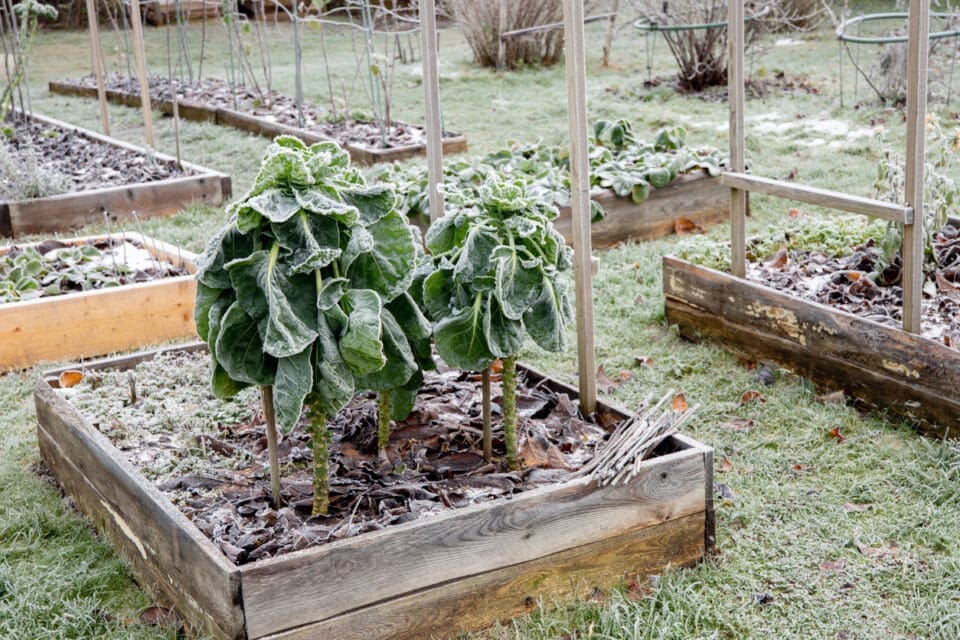
The 2026 growing season may seem a long way off, but it will come around sooner than you think. And once things get started, they move fast. That’s why you should take advantage of this winter downtime; by planning ahead and getting yourself prepared now, you’ll be ready to go (and grow) when the time comes.
We’ve put together a list of things you can do now to get a jumpstart. These include planning activities you can do from the comfort of your armchair on long winter nights, preparation activities you can make a start on in the garden on those milder days, tips on getting a headstart, and which homegrown fruit and veg you can sow first.
Enjoy more Kitchen Garden Magazine reading.
Click here to subscribe & save.
How can I plan ahead for the new growing season?
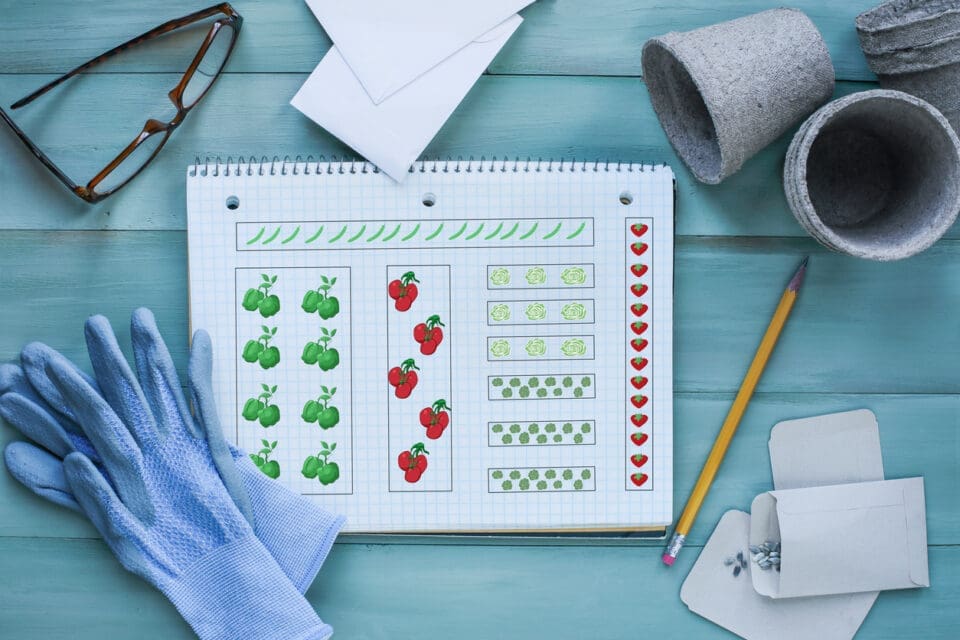
Here are a few ways you can plan ahead and set yourself up for gardening success in 2026.
- Decide what to grow: What are your growing goals for the year? Is there anything new you haven’t tried before? Make a list of all the homegrown goodies you want to try, and don’t worry at this point if it’s ambitious!
- Assess your space: Now that you have some ideas of what you want to grow, take stock of your growing space. How much room do you have for growing? What is sun exposure like? This can be a bit like a jigsaw as you try to determine what can go where and when. It may be helpful to draw up a rough sketch of your garden or allotment and play around with different ideas.
- Research growing seasons: Next, go through your list and determine growing seasons. When will it need to be sown and how long will it be in the ground? The Kitchen Garden Sowing planner can be a help here.
- Reflect on last year: Think about your homegrown wins and losses from previous seasons. How can you do more of what worked and avoid the problems you ran into last time? For example, this is a good chance to research preventative measures for any pests that plagued you last year!
- Swot up on new crops: It’s also a good time to research how to grow new crops you want to try. Set yourself up for success by knowing all the tips and tricks seasoned growers have to offer, as well as common problems you might run into. Kitchen Garden is always full of these!
- Stock up on seeds and equipment: Now you know what you want to grow, you might as well make sure you have everything you need to get started. Stock up on the seeds from your list (perhaps with some of the free seeds which come with each issue of Kitchen Garden?).
Also think about the equipment you’ll need. Do you need to get your hands on some netting or some canes? Could you do with some new gardening gloves? Sort these out now and you’ll thank yourself later!
What can I do in winter to prepare my garden for growing?
If you’re itching to get out in the garden, here are some practical jobs to tick off in the colder months which will set you up for success in spring.
- Mulch: Soil doesn’t like to remain uncovered for long. Now is a great time to top up mulches if you haven’t already done so. And it couldn’t be simpler: tip out barrowloads of well-rotted manure or garden compost on to the soil surface, rake it out then leave for the frosts and worms to break down and incorporate. Aim to cover ground to a depth of at least an inch or a couple of centimetres.
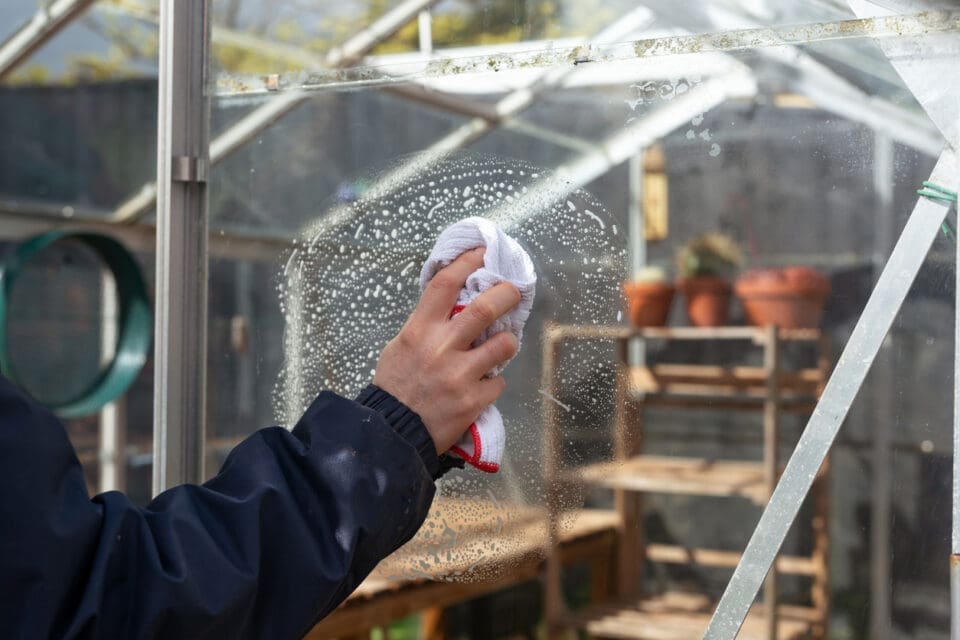
- Clean your greenhouse: Cleared, cleaned and cleansed, your greenhouse will be purged of pests and diseases and, with all that dirt and algae gone, offer vastly improved light levels for your homegrown crops. More tips for cleaning greenhouses here.
- Set up a water butt: British winters and springs are rainy and wet, might as well make use of it! You’ll thank yourself come summer, especially if we see more hosepipe bans. Find out more about water butts.
- Care for tools: Care for the tools that will be in heavy rotation once the season begins in earnest by giving them a clean and sharpen.
- Prune trees: Winter prune apples and pears, remove any crossing branches then concentrate on the three Ds: dead, damaged and diseased wood.
- Force rhubarb: Pop a forcing pot, bucket or a large pot with the drainage holes covered over rhubarb crowns to force an earlier crop of tender, pale stems.
How can I get a headstart on growing in 2026?
- Greenhouse: It’s an investment, but if you have the space, well worth it for the extra warmth and protection from the elements. Here are some tips for what to look for when choosing a greenhouse.
- Cold frame: Warm soil and create a small microclimate by installing a cold frame in your garden.
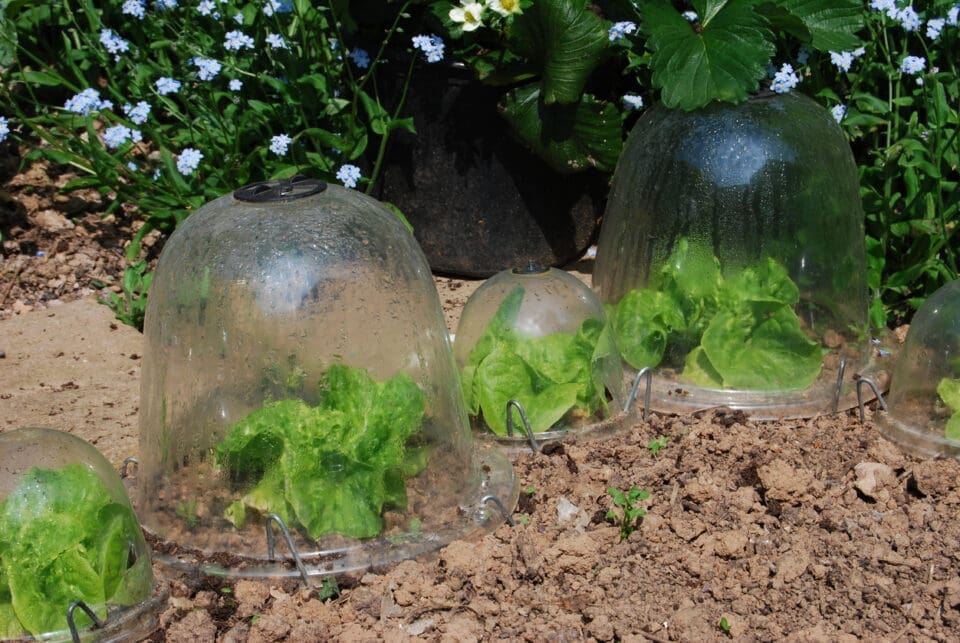
- Cloches: These bell-shaped glass structures function similarly to greenhouses or cold frames, but are much smaller and more portable to move around to different parts of the garden.
- Grow lights: Lack of light in the winter months limits growing options. Using grow lights means you can sow seeds earlier and give them enough light to thrive.
- Forcing pots: Encouraging rhubarb to grow quicker is actually a case of cutting off light. You can use dedicated forcing pots, or even improvise with a bucket or large pot.
- Heated propagators: These electric devices keep a tray of soil at a consistent temperature to encourage seeds to germinate sooner.
Explore these top tips for propagating on a budget!
What spring vegetables can I plant now?
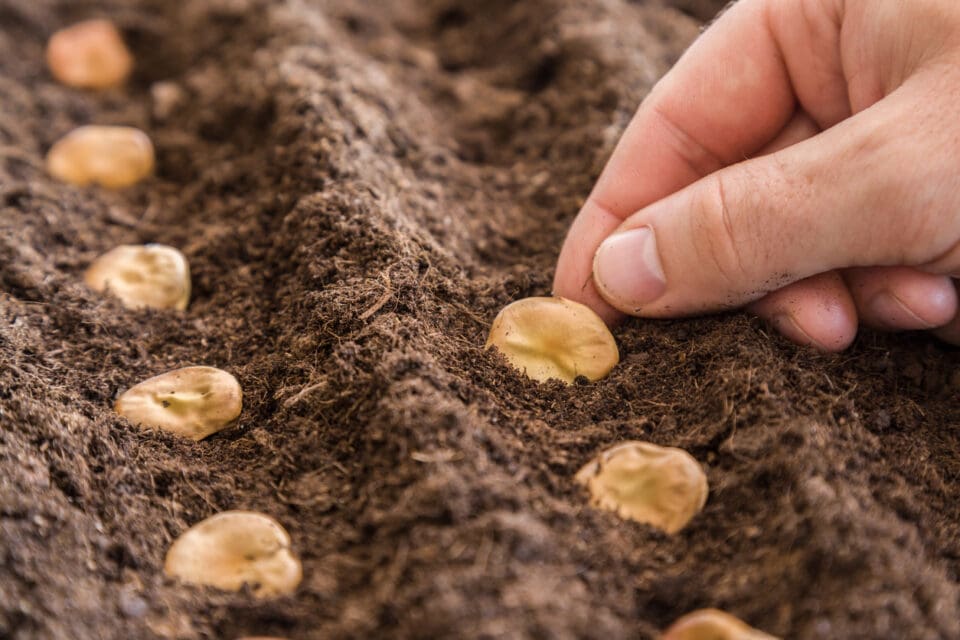
Despite the cold, there are a few options you can start sowing indoors or under cover now which will mean homegrown goodies earlier in the year!
- Broad beans: Broad beans are incredibly hardy, and if you sow them undercover now they could give a crop as soon as June. The seedlings can be planted out in spring. Check out our full broad bean growing guide.
- Peas: Peas are also rather hardy and can cope with being sown undercover in the early months of the year. Read up on our pea growing guide.
- Tomatoes: Tomatoes need heat, but are a great choice if using a heated propagator to get a headstart. More about growing tomatoes.
- Fruit trees: Outside, you can plant fruit trees and bushes, including apples, pears, and gooseberries, but only if your soil isn’t saturated or frozen. Mulch around the area after planting. More about planting fruit.
- Garlic: Didn’t get a chance to plant garlic last autumn? Get on and do it now, but only if your soil isn’t frozen or saturated. Otherwise, set cloves into modules or pots to plant out in spring.